Sales Enquiries
+91 7240 444 666Sales Enquiries
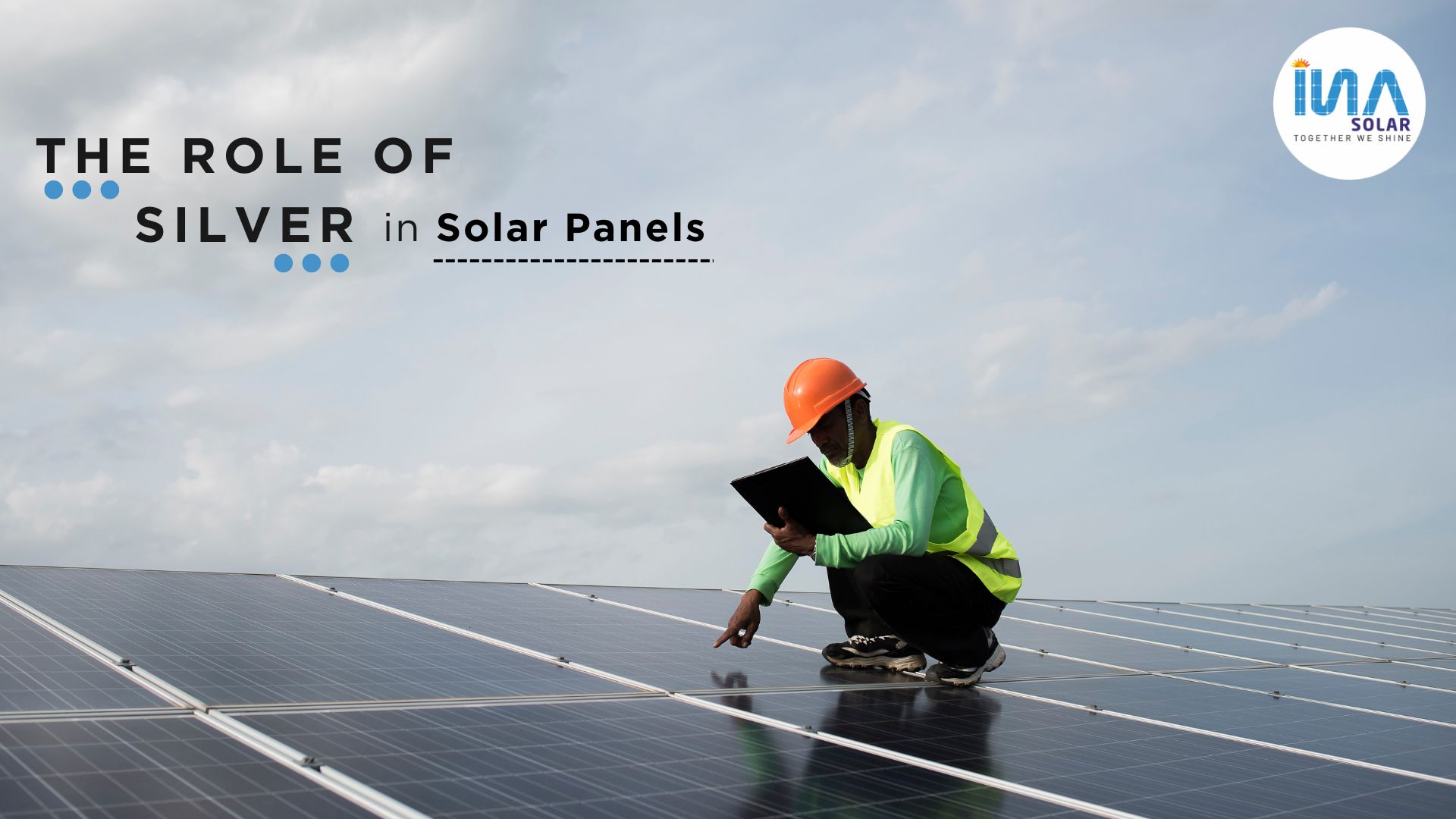
+91 7240 444 666Solar panels appear simple, yet they conceal intricate science that converts sunlight into disciplined electrical energy. Beneath glassy surfaces, photovoltaic cells actively channelize electrons, layers, and fields with deliberate precision. Engineers rely on material science to refine efficiency, durability, and electrical sync within every panel. Each material choice directly shapes how smoothly energy flows, survives heat, and resists relentless time.
Amid silicon dominance, silver quietly enters, shimmering with purpose, strength, and unmatched electrical generosity. Silver’s supreme conductivity actively minimizes resistance, preserving precious energy otherwise lost as wasteful heat. This hidden metal supports efficiency gains, especially within advanced cell architectures demanding flawless electrical performance.
Without silver, modern solar panels would falter, surrendering output, reliability, and longevity under operational stress. Thus, silver stands indispensable, an unsung contributor transforming abundant sunlight into dependable, scalable solar energy. Understanding silver’s role deepens appreciation for solar technology, where quiet materials often achieve loud revolutions.
Silver actively anchors photovoltaic cells by providing unmatched conductivity for swift, disciplined electron movement efficiency. Engineers deliberately choose silver because it sustains electrical stability under heat, stress, and prolonged operation. Manufacturers apply silver paste to front contacts, forming precise pathways that collect generated charge efficiently.
They also deposit silver on rear contacts, completing circuits with minimal loss and reliable continuity. High electrical conductivity allows silver lines to minimize resistive losses during constant current flow operation. This reduction actively boosts output, preserves efficiency, and supports longer operational lifespans for solar modules.
Advanced architectures like Mono PERC depend on silver for refined charge extraction and superior performance. TOPCon cells similarly rely on silver to handle higher efficiencies and complex carrier transport demands. Across technologies, silver connects innovation with reliability through disciplined electrical behaviour and sustained performance. This fundamental connection ensures modern solar technology converts sunlight into dependable power consistently across applications.
Read More:
What is the Difference Between TOPCon and HJT for India’s Solar Future?
Solar panels actively contain small yet vital quantities of silver within their finely printed electrical contacts. On average, manufacturers allocate measured grams of silver per panel, carefully scaled across megawatt capacities. Over time, engineering refinements steadily thought upon silver usage without sacrificing electrical integrity or output consistency. Thinner conductive lines and improved paste formulations actively balance material efficiency with performance reliability demands.
This optimization takes care of efficiency while controlling costs amid fluctuating global silver prices. At the manufacturing scale, silver consumption directly influences module pricing, supply planning, and long-term profitability models. Panel makers, therefore, strategize material usage with precision, safeguarding performance while supporting competitive solar economics. Each gram reflects sophisticated engineering choices harmonizing cost, reliability, and technological advancement across expanding solar deployments.
• Enables superior electrical conductivity
• Minimizes resistive energy losses
• Maintains performance under heat
• Supports thermal stability consistently
• Ensures long-term electrical reliability
• Resists corrosion and degradation
• Outperforms aluminium conductivity
• More stable than copper
• Enhances high-efficiency cell designs
• Preserves durability over decades.
High-efficiency solar cells use silver to improve charge collection and reduce resistive losses. Advanced architectures amplify performance expectations, intensifying reliance on silver’s unmatched conductivity and stability.
Despite cost pressures, manufacturers continue prioritizing silver to protect output reliability and lifespan guarantees. The solar industry steadily claims a growing share of global silver consumption through sustained deployment. This trend reflects confidence in silver’s irreplaceable technical advantages within photovoltaic production. As energy transitions accelerate, silver remains essential, bridging policy ambition with dependable, high-performance solar infrastructure the world over.
High-efficiency solar modules actively evolve through continuous research, refining silver paste formulations and application precision. Scientists optimize particle size, viscosity, and adhesion to preserve conductivity while reducing material consumption. These technological refinements actively strengthen electrical pathways without compromising durability or output consistency.
Hybrid metallization strategies now combine reduced silver usage with complementary conductive materials for performance gains. Engineers carefully balance innovation with reliability, protecting efficiency targets demanded by modern photovoltaic architectures. Advanced manufacturing environments actively integrate automation, quality control, and material science disciplines.
Such precision ensures scalability without sacrificing electrical integrity or long-term performance expectations. Cost pressures influence innovation, yet quality remains central within competitive solar manufacturing strategies. Silver, therefore, retains relevance, adapting gracefully within evolving designs rather than surrendering its foundational role. This reflects thoughtful engineering, where progress honours performance while embracing material efficiency.
Read More:
From Power Cuts to Power Surplus: How Solar is Changing India’s Energy Map
Insolation Energy actively promotes sustainability by making the best use of materials with focused engineering planning and industrial responsibility. Precision-driven manufacturing provides stability, accuracy, and higher electrical performance. To maintain dependability under demanding operating circumstances, quality control systems monitor the product 24/7. Engineers maximize silver efficiency without compromising performance, durability, or efficiency.
The company keeps a strong focus on making panels that are very efficient and meet today's energy needs. Advanced cell technologies actively improve output, steadiness, and the ability to grow in a wide range of solar applications. Insolation Energy shows its dedication to eco-friendly production by using cleaner methods and managing its resources in a smart way.
Production infrastructure that is ready for the future actively supports growth while upholding standards of technical excellence. Long-term dependability is still very important, which builds trust across household, business, and utility-scale operations. Insolation Energy is a known Indian company that is leading the way towards clean energy by using new technologies to make solar panels .
Silver actively stands as a strategic material enabling cleaner energy through outstanding conductivity and enduring electrical reliability. Solar technology depends on silver to translate abundant sunlight into stable, usable, and efficient electrical output. Manufacturers are continuously balancing cost reduction with uncompromised efficiency preservation through careful material engineering. This balance protects performance, durability, and investor confidence across expanding solar deployments.
Even though new materials come out, silver always works better than expected when it comes to efficiency and life. Its superior conductivity, temperature stability, and rust resistance work together to make sure that it works well for a long time. Silver stays useful as solar systems transform, rather than going away. Future cell architectures will continue relying on silver’s proven electrical behaviour and manufacturing compatibility. Therefore, silver remains central, anchoring solar innovation with dependable performance and sustainable energy advancement.
Read More:
Why Made in India Solar Panels Matter Globally
Solar Modules Selection Guide for Homes, Farms, and Industries
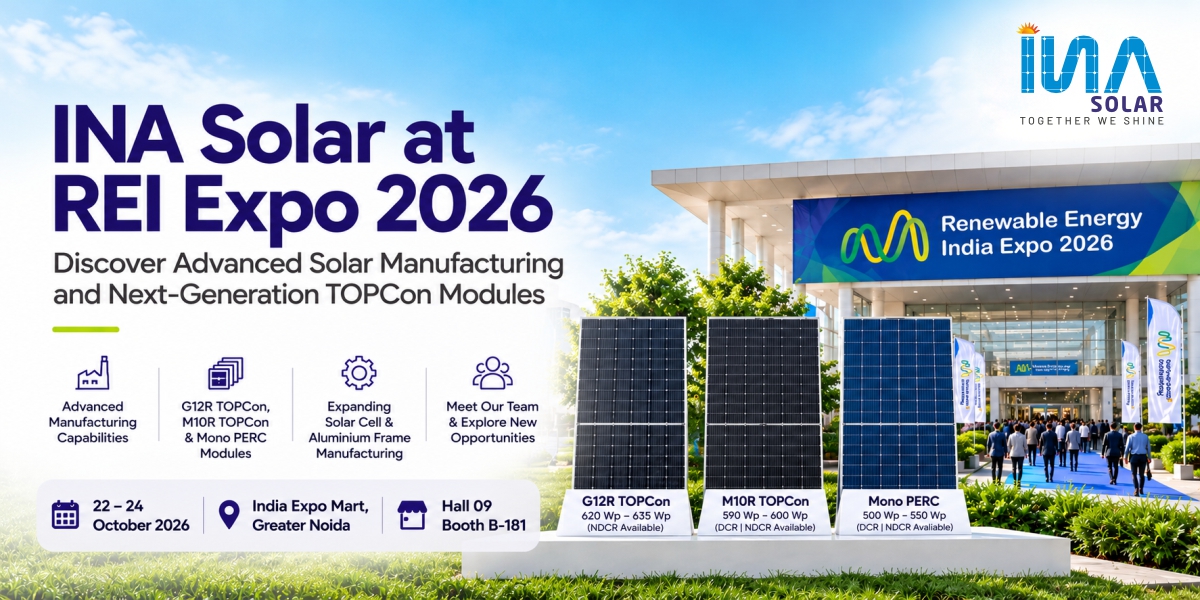
INA Solar at REI Expo 2026: Discover Advanced Solar Manufacturing and Next-Generation TOPCon Modules

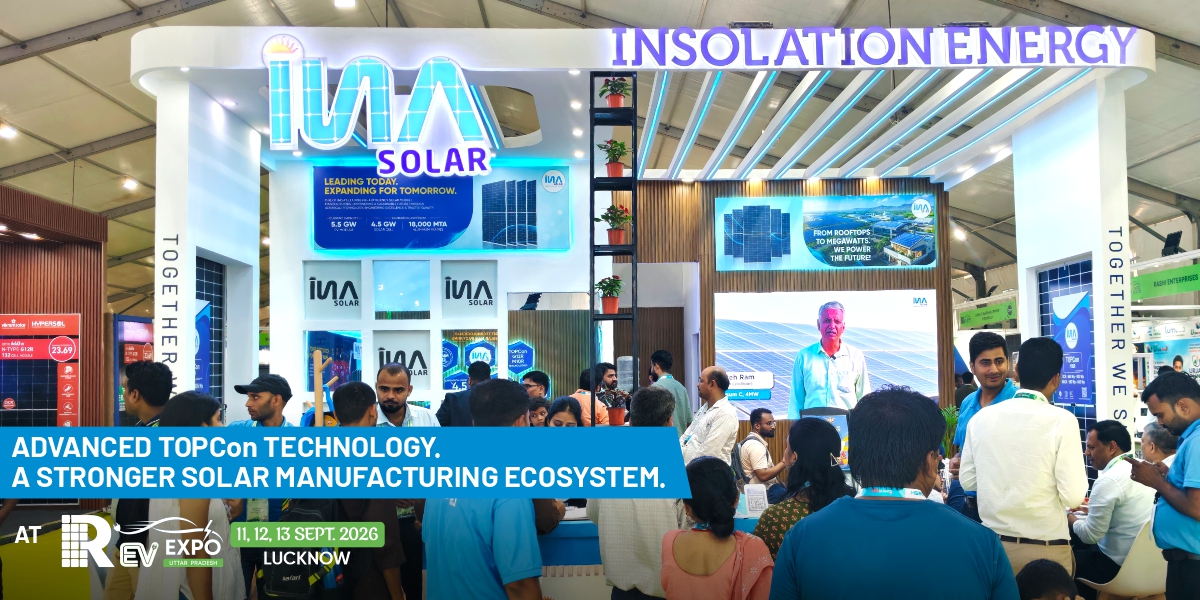
From G12R TOPCon Technology to a Growing Solar Manufacturing Ecosystem
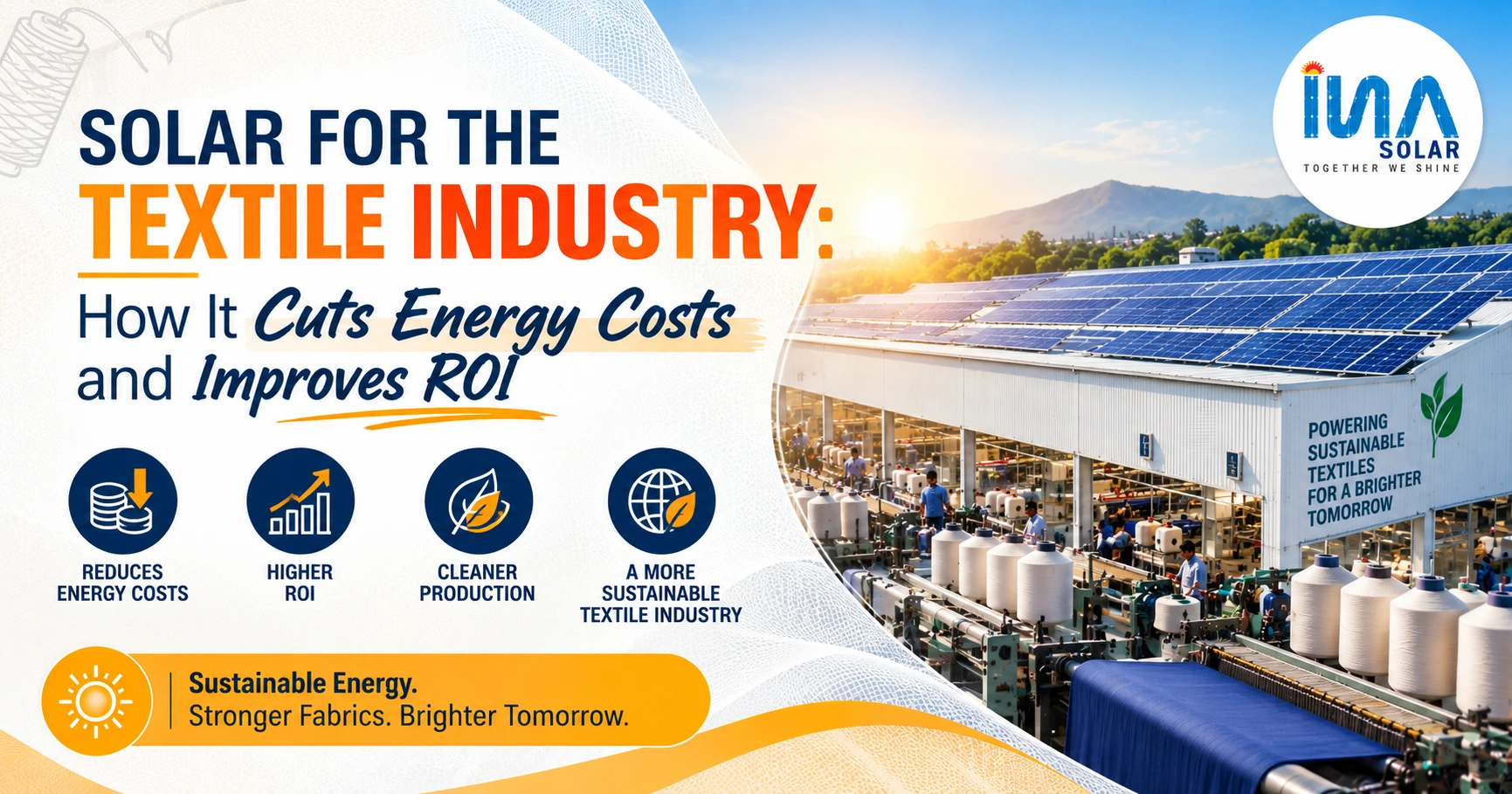
Solar for the Textile Industry: How It Cuts Energy Costs and Improves ROI


For Sales Enquiries

Email Address