Sales Enquiries
+91 7240 444 666Sales Enquiries
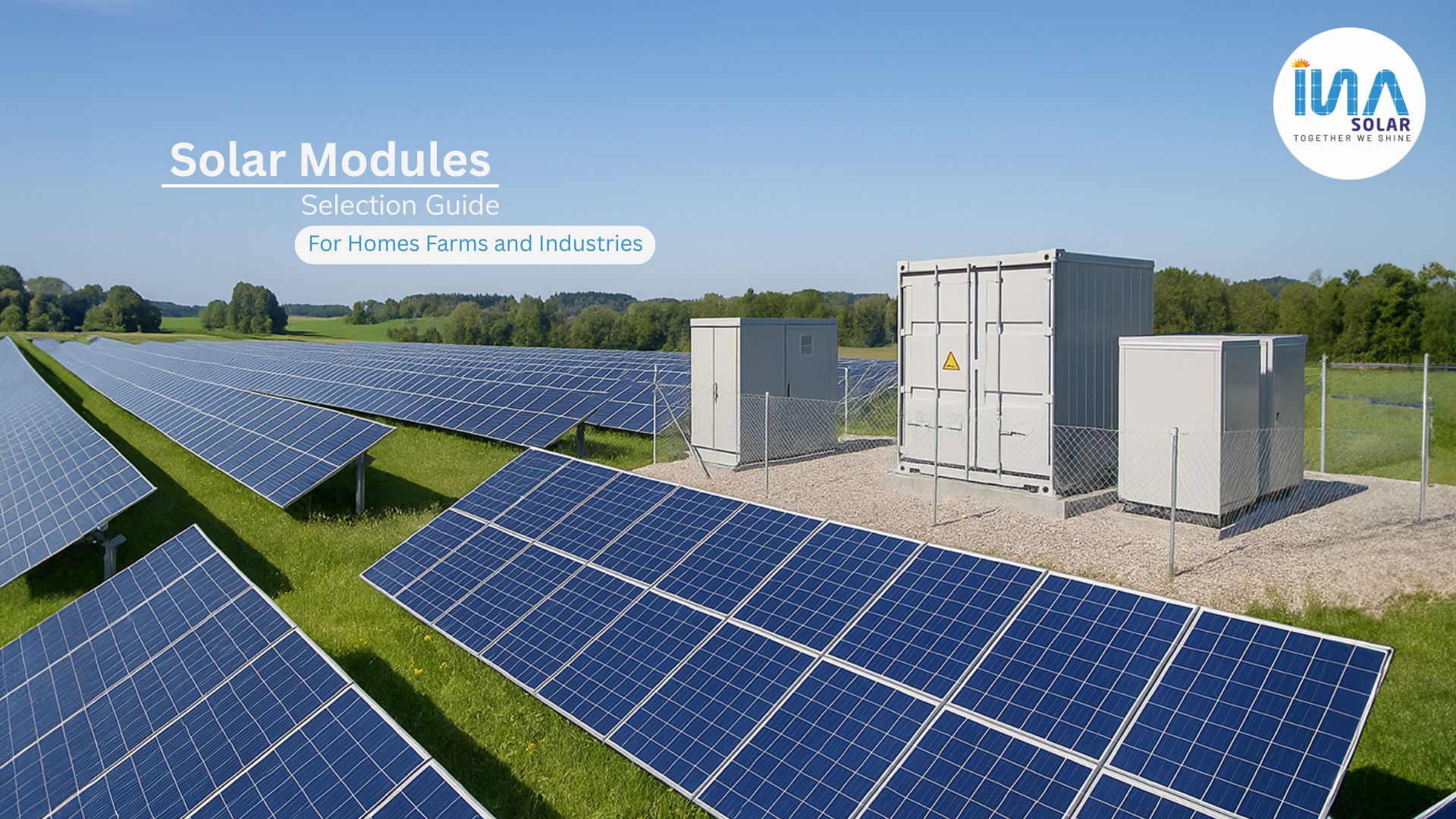
+91 7240 444 666Choosing the right solar module shapes performance with decisive clarity and strengthens return on investment with assurance. The perfect module elevates energy efficiency with precision and enhances long-term savings with steadfast reliability. Each carefully selected panel withstands heat, dust, and monsoon moods while delivering consistent output across demanding conditions.
Thoughtful selection of the best solar modules in India empowers homeowners with dependable comfort and supports farmers with resilient pumping strength. It also fuels industrial excellence with uninterrupted operational stability that reinforces financial discipline.
● Mono PERC: High efficiency panels
● Polycrystalline: Cost-effective solar solution
● Bifacial: Captures sunlight on both sides
● Thin-film: Lightweight, flexible modules
● TOPCon: Advanced high-efficiency technology
● HJT: Hybrid junction solar panels
● Homes: Mono PERC preferred choice
● Farms: Polycrystalline or bifacial, suitable
● Industries: TOPCon or HJT recommended
● Hot regions: Low temperature coefficient
● Dusty areas: Durable dual-glass modules
● Low-light zones: High-efficiency mono PERC.
Homeowners should carefully evaluate daily load patterns, ensuring solar modules efficiently meet lighting, appliance, and device requirements. They must carefully optimize roof space orientation and tilt angles to catch sunlight throughout the year. For reliable residential power production, shading issues must be addressed since surrounding trees or buildings may significantly impair energy output.
Farmers must assess pumping requirements with precision, matching solar module capacity to irrigation demands across sprawling agricultural lands. They should measure land availability diligently, ensuring panels do not disrupt cropping patterns or farm operations while harvesting optimal sunlight. They can also seek support in this regard from the top solar panel manufacturers in India.
Industrial energy planners must calculate high-load machinery demands meticulously, selecting solar modules capable of sustaining uninterrupted operational workflows. Rooftop VS ground-mounted layouts must undergo strategic evaluation, optimizing sunlight capture while maintaining safety and accessibility. They must consider the following:
● Ambient temperature
● Dust accumulation
● Structural integrity.
● High efficiency maximizes energy output
● Low output tolerance ensures reliability
● Strong heat resistance prolongs performance
● Low temperature coefficient prevents losses
● Durable against dust accumulation
● Resistant to humidity damage
● Corrosion-resistant panel surfaces
● Long lifespan reduces replacement costs
● Low degradation rate ensures consistency
● Product warranty protects investment
● Performance warranty guarantees output
● BIS certified for quality assurance
● ALMM approved for government compliance
● Robust construction withstands harsh climates
● Reliable manufacturer support available.
In places with a lot of heat, solar enthusiasts can choose modules with low temperature factors to keep their energy output steady. Dusty landscapes need dual-glass panels or high-durability coatings that keep efficiency high and don't let dirt build up. Coastal places have problems with salty air, so anticorrosive units that can handle constant wetness and salty winds were chosen.
High-efficiency mono PERC or TOPCon panels that catch scattered sunlight with great accuracy work best in hilly or low-light areas. Alignment, direction, and smart placement that are well thought out improve performance and make sure that every photon turns into reliable power. By making smart choices based on temperature, systems become durable, high-performing solar investments that keep homes, farms, and businesses running smoothly. You can have more guidance in this regard from the best solar panel manufacturers in India.
● High-efficiency mono PERC
● Durable polycrystalline options
● Bifacial for rooftop optimization
● Polycrystalline for cost efficiency
● Bifacial for pump systems
● Flexible thin-film for scattered farms
● TOPCon for maximum output
● HJT for long-term reliability
● Mono PERC for rooftop projects
● Dual-glass panels for durability.
Read More: Difference Between TOPCon and HJT
Homeowners and businesses weigh cost versus performance to optimize energy production per rupee. Economical modules save upfront costs and supply reliable power for low budgets. What justifies a premium module investment includes:
● Superior efficiency
● Slower deterioration
● Longer lifespans.
Consider skilled installation, inverters, and balance-of-system components. These minimize unforeseen costs. Strategic selection maximizes savings, efficiency, and resilience on Indian residential roofs, agricultural settings, and large-scale industrial solar arrays, allowing energy independence.
● Checklist for choosing a trusted Indian manufacturer
● ALMM-approved brands
● Importance of after-sales support and service networks.
Choosing the best solar modules in India is crucial to energy independence and financial prudence. Homeowners, farmers, and industrial planners who consider efficiency, durability, and climatic adaptability need continuous power generation. Load needs, rooftop orientation, shading issues, and panel technology need to be carefully considered for best performance and energy savings. Balanced budget and long-term return allow consumers to spend intelligently in durable, reliable modules. Users may build energy resilience, optimize savings, and contribute to India's renewable energy revolution by following these best practices, ensuring every solar system runs effectively for decades with minimal maintenance.
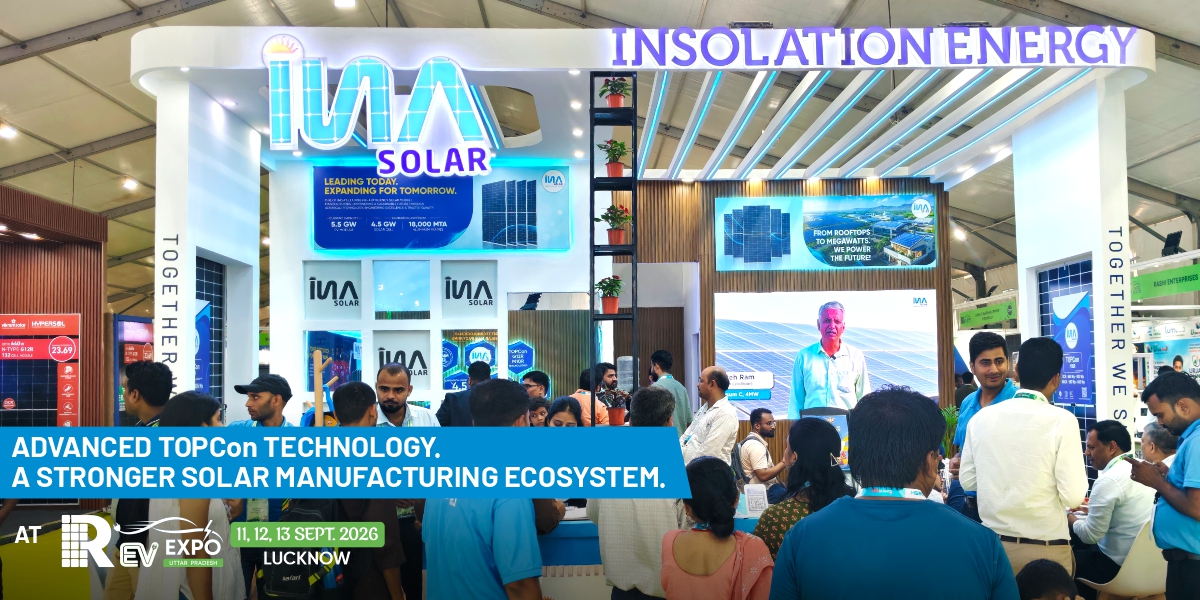
From G12R TOPCon Technology to a Growing Solar Manufacturing Ecosystem

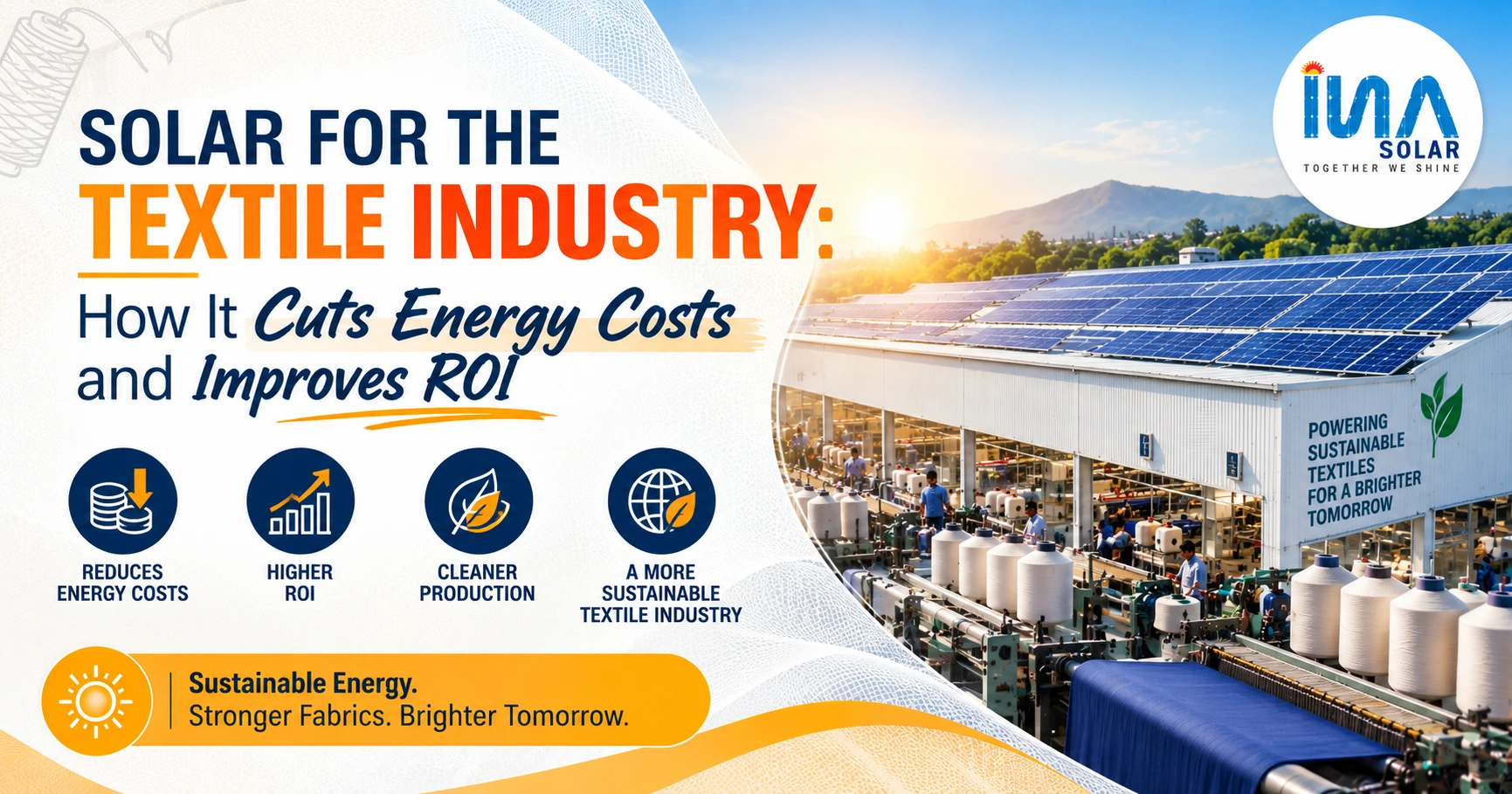
Solar for the Textile Industry: How It Cuts Energy Costs and Improves ROI
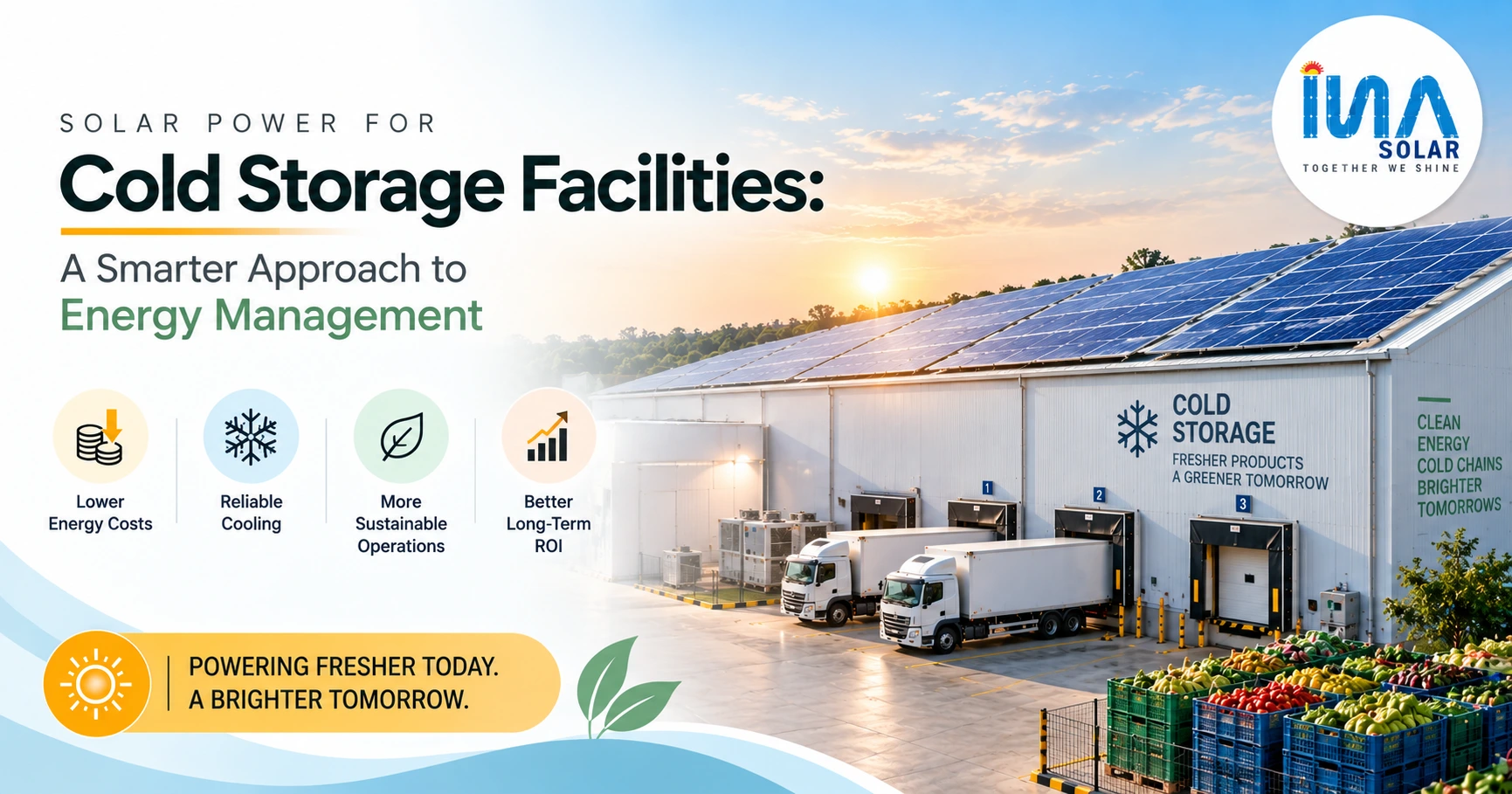
Solar Power for Cold Storage Facilities: A Smarter Approach to Energy Management


For Sales Enquiries

Email Address