Sales Enquiries
+91 7240 444 666Sales Enquiries
+91 7240 444 666India’s solar journey feels fast, almost visible in daily life. Moreover, installations now stretch across deserts, rooftops, and highways alike. Not only does capacity grow, but expectations around efficiency rise steadily. For instance, buyers now question output, durability, and long-term reliability. However, cost alone no longer drives decisions across serious projects. Consequently, developers seek modules that deliver consistent performance in harsh sunlight. In addition, policy support quietly nudges domestic manufacturing forward each year. Meanwhile, solar companies in India adapt quickly to global technology shifts.
Solar technology across India now feels remarkably different. Earlier systems delivered limited efficiency during intense summers. However, developers now demand stronger long-term module reliability. N-Type TOPCon technology currently attracts serious nationwide attention.
Moreover, manufacturers aggressively expand advanced TOPCon production capabilities. The engineers across factory floors inspect panels beneath bright testing chamber lights. Furthermore, developers prefer modules handling extreme desert temperatures efficiently. Traditional technologies often struggled during prolonged heat exposure.
Consequently, project owners experienced frustrating performance drops over the years. TOPCon modules now reduce those operational concerns significantly. In particular, bifacial generation improves output across reflective surfaces. Rajasthan projects already showcase stronger real-world energy retention. Meanwhile, investors carefully monitor long-term degradation performance trends.
They now prioritize dependable lifecycle output above cheaper pricing. Additionally, modern TOPCon cells resist common efficiency-related performance losses. Dusty environments still challenge solar infrastructure across India.
Nevertheless, TOPCon modules maintain surprisingly stable energy generation. You can almost sense increasingly growing market confidence everywhere. For example, utility developers increasingly approve TOPCon-based procurement strategies. Subsequently, domestic manufacturers accelerate automation and quality improvements rapidly.
The transition now reflects changing expectations within India’s solar market. Ultimately, efficiency and durability now guide future investment decisions.
New solar technologies now reshape how projects perform across India. Developers look beyond basic efficiency and focus on durability, yield, and real conditions. As a result, advanced cell structures and module designs gain attention. These innovations promise better output, longer life, and improved adaptability across varied Indian environments.
Manufacturing in India now shows a quiet but steady shift. Earlier, companies focused mainly on assembling imported solar modules. However, things changed as policies began supporting local production. Consequently, manufacturers started investing in cells and wafer capabilities. Moreover, PLI schemes encouraged deeper integration across the value chain. In addition, factories now adopt automation to improve output quality.
For instance, EL testing helps detect microdefects early. As a result, reliability standards continue to improve across modern facilities. Nevertheless, scaling such systems demands capital and skilled manpower. On the other hand, demand growth keeps pushing expansion forward. Subsequently, large-scale plants now operate with higher precision and efficiency. Ultimately, this shift strengthens the competitiveness of solar companies in India.
India’s solar supply chain is changing fast. Imports once dominated procurement decisions. However, local manufacturing now gains steady momentum. Policy measures push this transition further.
Performance and cost now determine every solar investment decision. Developers no longer chase low prices without thinking ahead. However, higher efficiency modules often demand greater upfront spending. Consequently, teams weigh capex against long-term energy generation carefully. Moreover, improved technologies steadily reduce overall lifecycle costs. For instance, better output lowers the levelized cost of energy. Meanwhile, Indian conditions add another layer of complexity. Heat affects solar panels more than expected. Dust also reduces their efficiency over time. Humidity adds further stress on panel performance. As a result, actual output often drops. Lab-tested values do not always match real conditions.
India’s solar sector keeps evolving with steady technological change. Moreover, manufacturers adopt advanced technologies with a clearer long-term focus. Earlier, decisions focused mainly on lowering upfront project costs. However, stakeholders now value performance, reliability, and lifecycle output. Consequently, strategic adoption becomes necessary for sustainable growth ahead.

INA Solar at REI Expo 2026: Discover Advanced Solar Manufacturing and Next-Generation TOPCon Modules

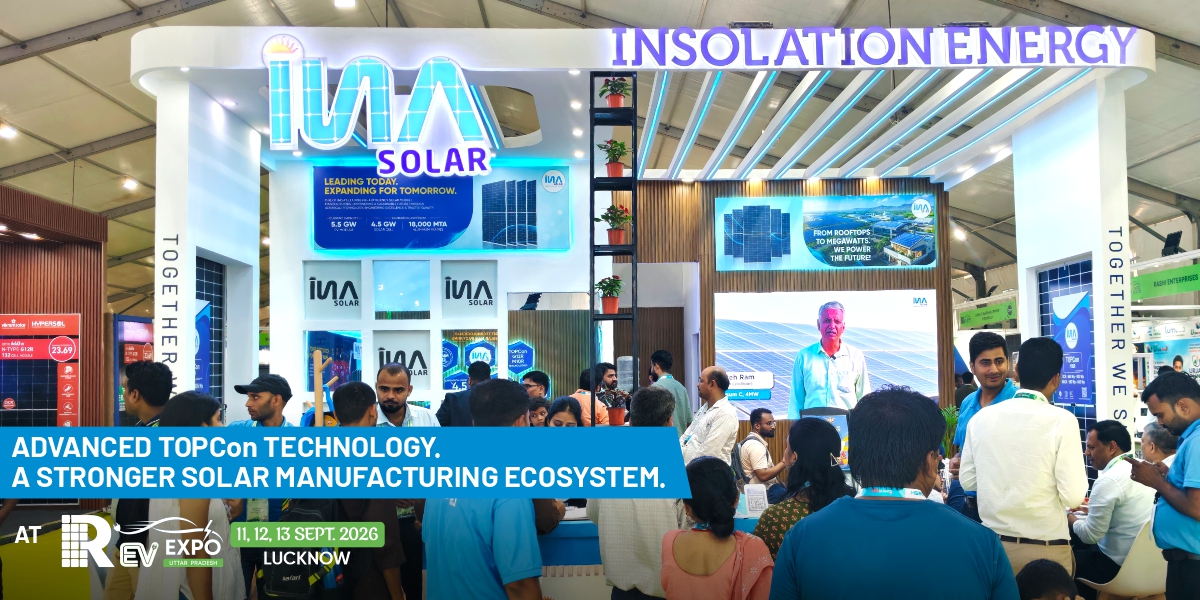
From G12R TOPCon Technology to a Growing Solar Manufacturing Ecosystem
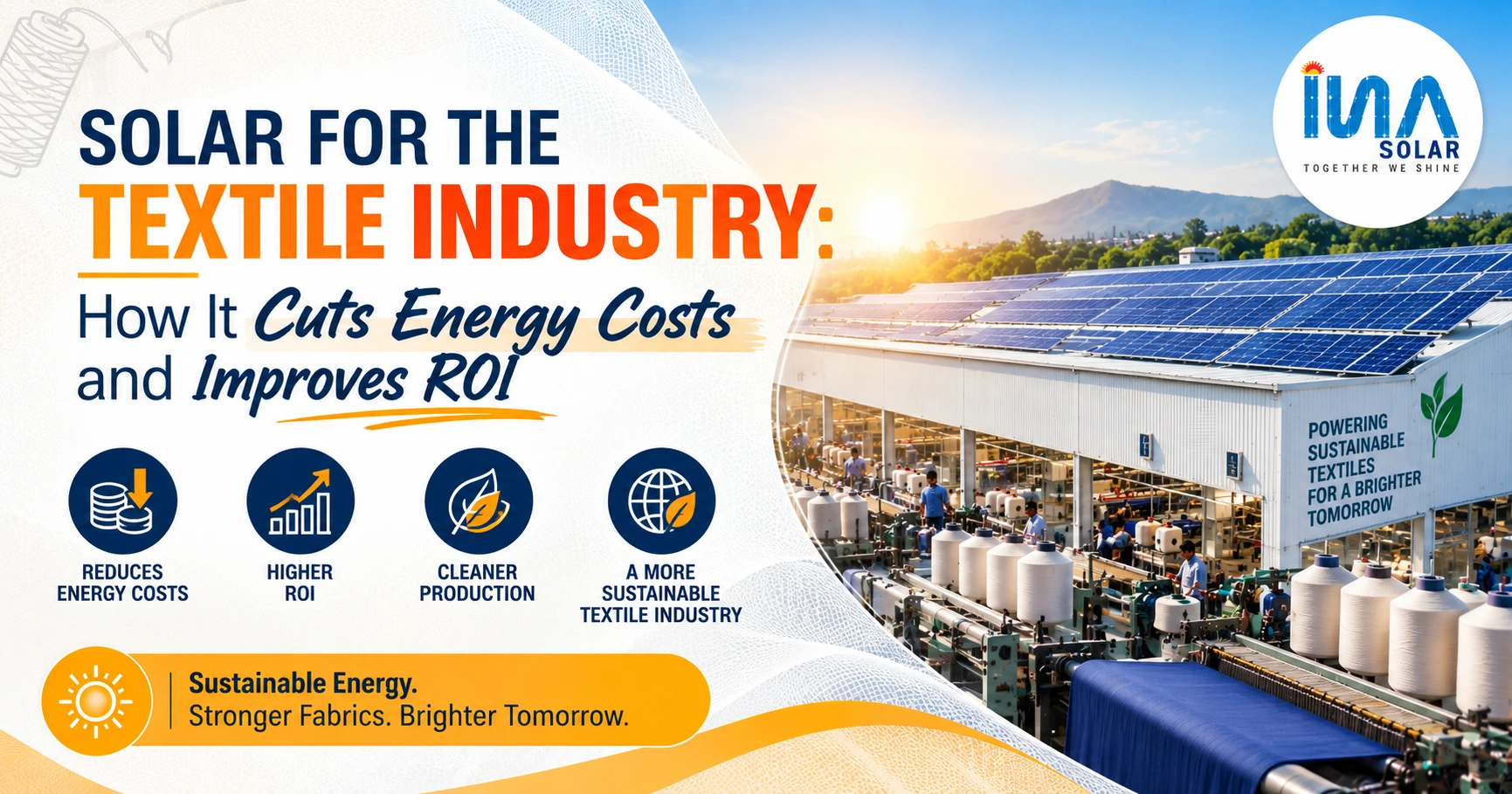
Solar for the Textile Industry: How It Cuts Energy Costs and Improves ROI


For Sales Enquiries

Email Address