Sales Enquiries
+91 7240 444 666Sales Enquiries
+91 7240 444 666As one of India’s leading solar panel manufacturers, INA Solar provides a diverse portfolio of high-efficiency modules. Our 500–635 Wp TOPCon and Mono PERC modules are known for their exceptional power generation, reliable performance, and long-term durability, earning the trust of customers across diverse conditions, including low-light environments.

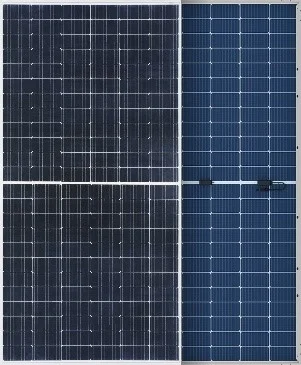
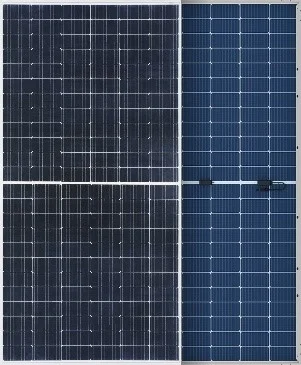
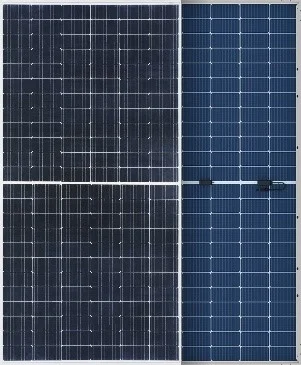
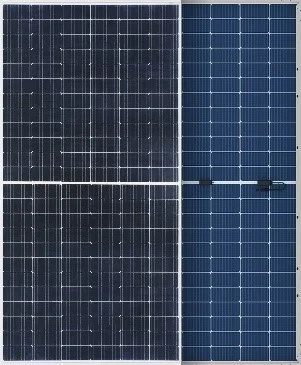
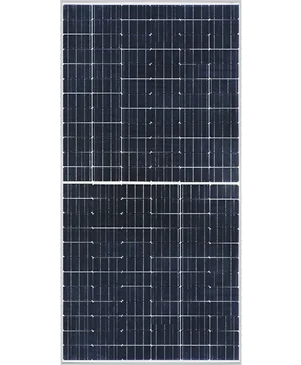
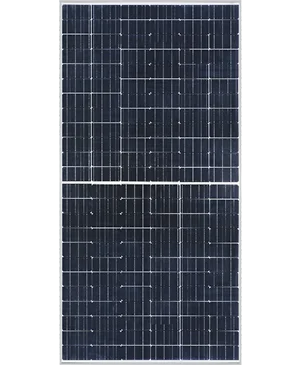
The solar product is inspected before dispatch for visual inspection, packing, and electrical parameters. After stringent Quality inspection, solar PV modules are dispatched to customers.

Our solar panels are crafted to uphold world class standards, gaining accreditations from all National and International Certification bodies that validate our commitment to quality, sustainability and manufacturing high performance solar panels.


A solar module, technically known as a solar Photovoltaic module, connects many solar cells to utilize solar heat for manufacturing solar energy. The major types are monocrystalline, polycrystalline, and PERC modules.
Monocrystalline Module: As the name suggests, they consist single crystal of silicon. Along with offering larger coverage of the surface area to produce more energy, they offer greater heat resistance.
Polycrystalline Module: Since solar modules contain multiple silicon crystals in one PV cell, they have received this name. They are cheaper than monocrystalline modules offering enhanced conversion efficiency in varied conditions.
PERC Modules: Passivated Emitter and Rear Cell Modules are the latest in terms of technology offering a layer of passivation at the back surface of the cell.
A full-fledged power generation unit is required to support the production of solar energy which is also known as a PV array. A solar panel and a solar module are the different segments of the power generation unit.
Solar Module: Also called PV module, contain the circuits of solar or PV cell. The circuit is arranged to set the base for the PV systems that are utilized for solar energy production. A properly arranged circuit is laminated in a weather-resistant material.
Solar Panel: When a group of solar modules is arranged in an installable power production unit, it is called a solar panel. One can say that solar panels cannot be formed without solar modules.
Yes. The cleaning of solar panels is majorly required. Solar panels are used to generate solar energy by harnessing the light of the sun. The surface, thus, of a solar panel is highly important for the generation of energy as here the absorption of sun rays begins. Dirty solar panels are not going to provide the right efficiency for the production of solar energy.
Contaminants that are brought by the wind can scatter over the surface of the solar panel. These contaminants include dust, gravel, bugs, petals, and more. If these waste products cover up the solar panels, they would keep them from absorbing the solar light reducing their efficiency.
When excessive heat begins to fall over the solar panels, their efficiency will begin to decline. Excessive solar light and heat do not mean greater production of solar energy. The solar panels need an ideal temperature for the production of solar energy i.e. 25 degree Celsius.
Once the temperature begins to exceed this range, the solar panels will begin to lose their efficiency by 0.5%. It means every degree of increase in the temperature is proportional to a 0.5% of declination in the efficiency of solar panels. Thus, ideal locations are chosen for the installation of solar panels.
Although the sun is a free source of energy, the installation of solar panels does charge you more than conventional sources. The charges, however, could vary for the off-grid and grid-connected solar PV systems. The cost could vary from INR 50,000 to INR 1,00,000 or more.
Although installation and maintenance costs for solar panels have declined over the years, still it could be an expensive endeavor for many people. However, the savings that come along with the installation of solar panels is worth paying attention to. Several users have shared their positive experiences about their electricity bills going visibly down after switching to solar energy.
A PV (photovoltaic) module is a group of interconnected solar cells that convert sunlight into electricity. These cells are made of semiconductor materials like silicon, which create an electric current when exposed to sunlight. PV modules are the basic building blocks of a solar power system used to generate clean energy in residential, commercial, and industrial applications.
The three common types of solar PV modules are:
• Monocrystalline – made from single silicon crystals with higher efficiency,
• Polycrystalline – made from multiple silicon crystals, a cost-effective option,
• PERC (Passivated Emitter and Rear Cell) – enhanced design that boosts power output and performance.
Generally, solar PV modules are designed to last 25 years or more under normal operating conditions. Over time, the output shows an impact of environmental factors, but quality modules continue producing usable power well beyond this period with proper installation and maintenance.
A PV module’s primary function is to convert sunlight into electrical energy using photovoltaic cells. When sunlight hits the cells, an electric field is generated, producing direct current (DC) power that can be used immediately or converted to alternating current (AC) for homes and businesses.
The maximum power of a PV module, often expressed as Wp (Watt-peak), is its rated peak power under standard test conditions. Modern high-efficiency modules range from around 500 Wp to 635 Wp or higher, depending on technology and design. Actual power varies with sunlight and operating conditions.


For Sales Enquiries

Email Address
Fill the form, we will get in touch with you or contact us at below details.
