Sales Enquiries
+91 7240 444 666Sales Enquiries
+91 7240 444 666India is one of the fastest-growing solar energy markets in the world. With rising electricity costs, government subsidies, and increasing awareness about renewable energy, more homeowners and businesses are investing in solar power.
However, before installing a solar system, it is important to understand the types of solar panels in India, their efficiency, cost, and suitability for different applications.
This detailed guide explains all major and advanced solar panel technologies used in India, compares them clearly, and helps you choose the best solar panel for your home, commercial building, or industrial project.
A solar panel is a device that converts sunlight into electricity using photovoltaic (PV) cells. These cells are usually made from silicon. When sunlight falls on the cells, it excites electrons and generates direct current (DC) electricity.
An inverter then converts this DC electricity into alternating current (AC), which is used to run household and commercial appliances.
In India, solar panels are widely used for:
Solar panels are preferred because they reduce electricity bills, provide long-term savings, and support a cleaner environment.
Solar panels are mainly classified based on the technology used to manufacture their cells. Below are the most common types available in the Indian market.
Monocrystalline solar panels are made from a single, pure silicon crystal. They are easily identified by their dark black color and uniform appearance.
Key characteristics:
Advantages:
Best for: Residential rooftops and projects with limited roof space.
Polycrystalline solar panels are made from multiple silicon crystals melted together. They usually have a bluish appearance and are more affordable.
Key characteristics:
Advantages:
Best for: Large rooftops and budget-conscious solar projects.
Thin-film solar panels are manufactured by depositing thin layers of photovoltaic material onto glass, metal, or plastic surfaces. These panels are lightweight and flexible.
Key characteristics:
Advantages:
Best for: Industrial applications, large open areas, and specialized installations.
PERC (Passivated Emitter and Rear Cell) technology improves standard monocrystalline panels by adding a reflective layer on the rear side of the cell.
Why PERC is popular in India: India’s hot climate makes PERC panels a preferred choice for residential and commercial installations.
Bifacial solar panels generate electricity from both the front and rear sides by capturing reflected sunlight from the surface below.
Best for: Commercial rooftops, industrial sheds, and utility-scale solar projects.
TOPCon (Tunnel Oxide Passivated Contact) is a next-generation solar technology that offers very high efficiency and lower degradation.
Best for: Premium residential systems, commercial installations, and large solar power plants.
Technologies such as Heterojunction Technology (HJT), perovskite solar cells, and concentrated photovoltaics (CPV) are also under development. Their commercial adoption in India is currently limited.
| Solar Panel Type | Efficiency | Cost Range | Lifespan | Ideal Use |
|---|---|---|---|---|
| Monocrystalline | 18%–22% | High | 25+ years | Homes |
| Polycrystalline | 15%–17% | Medium | 20–25 years | Large rooftops |
| Thin-Film | 10%–12% | Low | 15–20 years | Industrial |
| PERC | 19%–23% | Medium–High | 25+ years | Home & commercial |
| Bifacial | 18%–24% | High | 25+ years | Commercial & utility |
| TOPCon | 23%–25%+ | Premium | 25+ years | High-efficiency projects |
Monocrystalline and PERC solar panels are best for residential rooftops.
Yes, they offer higher efficiency and lower degradation, making them ideal for long-term projects.
Most quality solar panels last 25 years or more.
PERC, bifacial, and TOPCon panels perform better in high temperatures.
Understanding the types of solar panels in India helps you make a smart and future-proof investment. With advanced technologies like PERC and TOPCon, modern solar systems deliver higher efficiency, better durability, and improved performance in Indian conditions.
If you are planning to install a solar power system for your home or business, Insolation Energy can help you choose the right solar panel technology tailored to your needs.
Contact us today for expert consultation and customized solar solutions.
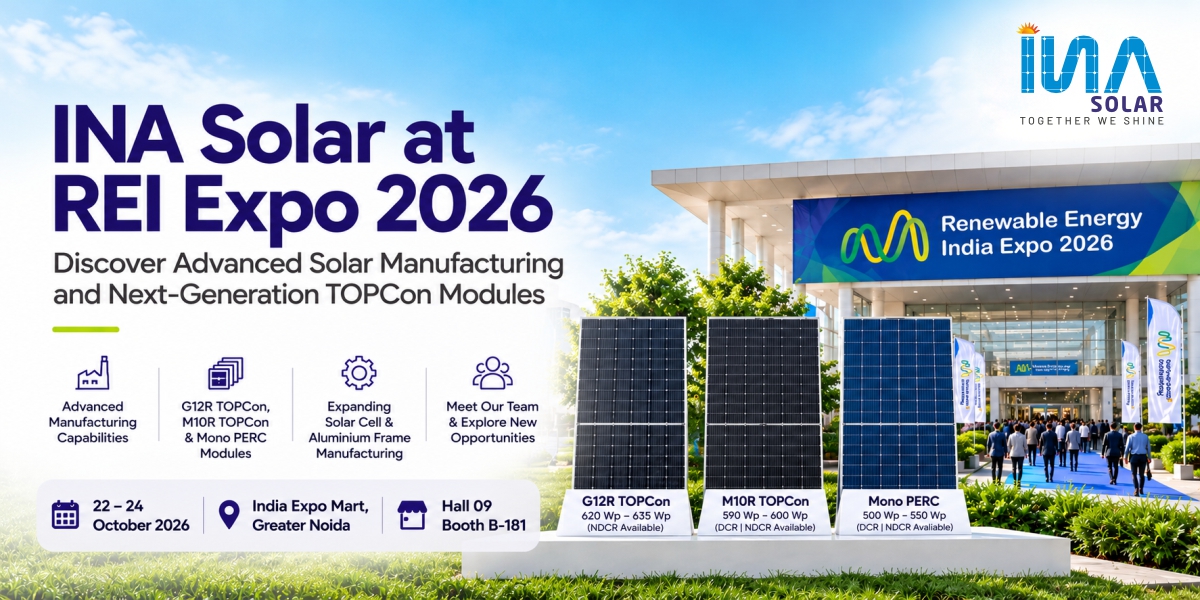
INA Solar at REI Expo 2026: Discover Advanced Solar Manufacturing and Next-Generation TOPCon Modules

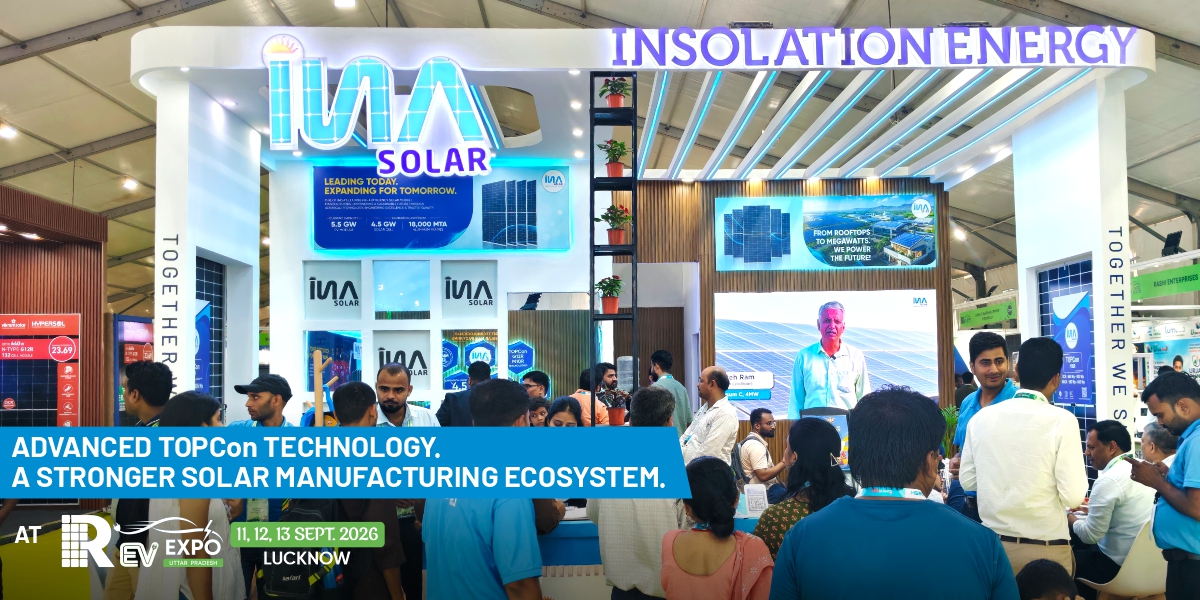
From G12R TOPCon Technology to a Growing Solar Manufacturing Ecosystem
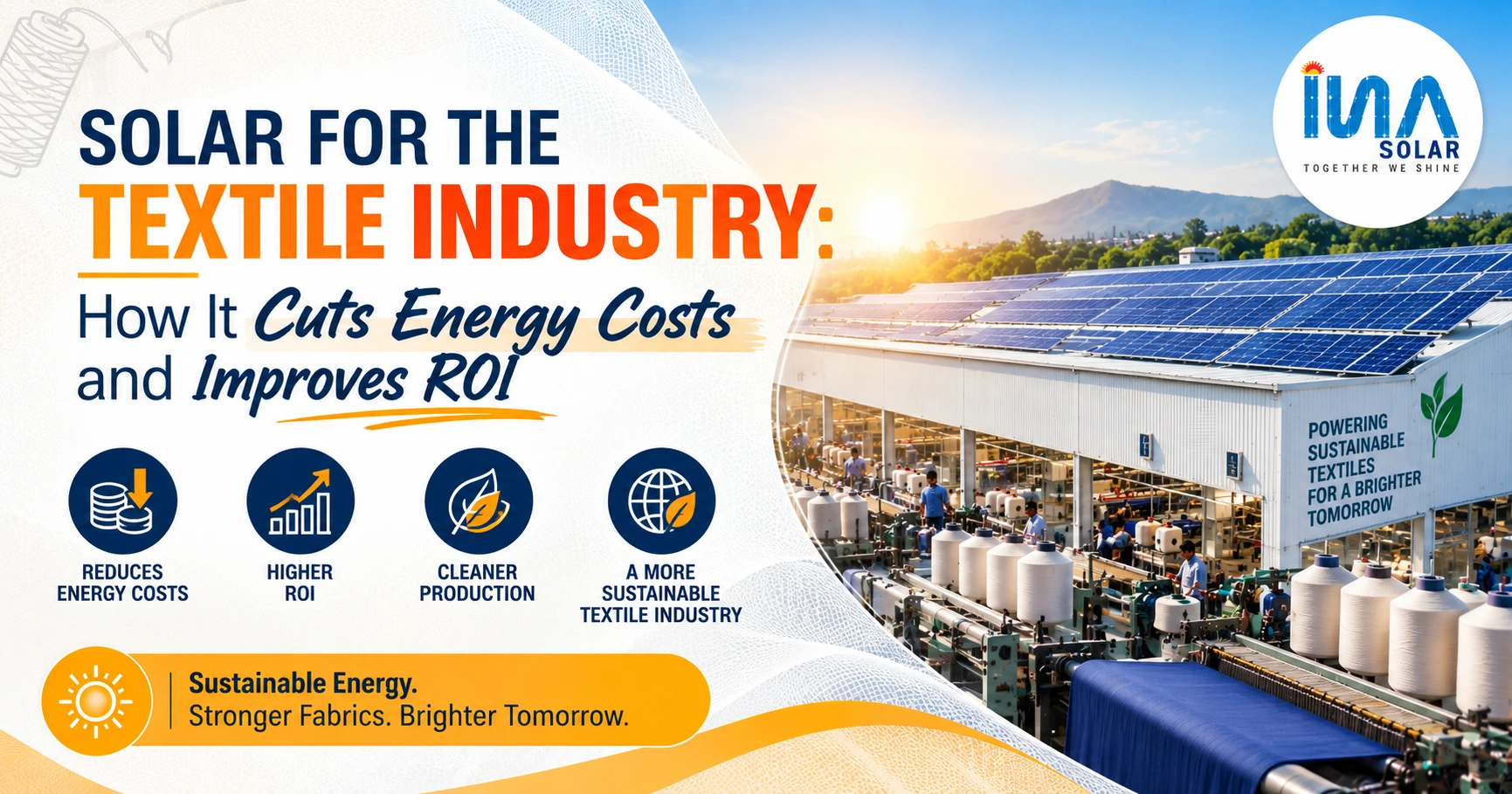
Solar for the Textile Industry: How It Cuts Energy Costs and Improves ROI


For Sales Enquiries

Email Address


