Sales Enquiries
+91 7240 444 666Sales Enquiries
+91 7240 444 666In today's growth story, which is based on an overall awareness of environmental issues, the idea of sustainability takes center stage in every important conversation about solar energy. Because of this, governments have offered grants to encourage people to make better, more responsible energy choices. Solar panel incentives make the panels more affordable and more widely available, turning the acceptance of green energy from a hopeful idea into a reality.
Homeowners are directly benefited by policies that see homes as the best way to promote sustainability. But just repeating the ideas behind green energy doesn't change the way people use power every day. People need to know that the government will help them before they use new technologies that could help the country make its own energy in the future. A careful look at the costs of solar installation makes it clear that average families need to be brave about money in order to be able to pay for it.
Subsidies actively bridge this gap by lowering primary costs and boosting confidence in long-term profits. Families feel like they can add solar power to their daily lives when they have financial support. So, the government's role turns sustainability from a morally appealing idea into a realistic and economically sound way of making choices. When policy, cost, and ambition come together through smart incentive design, solar use speeds up. In the end, funds turn solar into shared wealth, which helps families move towards a better future together.
A green future for India is not possible without the multitudes joining the revolution. Switching to solar energy is nothing less than a metamorphosis. Shifting the energy obtainment options might not be possible for numerous people out there in the nation.Financial support creates an ideal condition for individuals who are willing to use solar panels in their households. Solar panel subsidies are monetary incentives that benefit the users. It encourages more and more individuals to shift their power supply sources. Nudging such a big populace with different financial dividends is not an easy job.
Therefore, the government uses subsidies as a resolution to address this concern and motivate people to switch to solar energy. Financial incentives are more influential in impacting the decision-making of individuals. It becomes another important aspect along with the best solar panel company creating awareness about solar energy.
Residential spaces are given priority in the financial incentives offered by the government. The growing importance of shifting to inexhaustible energy resources becomes evident with this move. Without the involvement of common households, the government cannot take this revolution to the next level.
The Ministry of New and Renewable Energy is facilitating rooftop solar systems in households. Central Financial Assistance, which is provided by MNRE, is transferred into the beneficiary accounts. The factors of capacity and location impact the CFA.
While the initial energy inputs can see variation in the CFA, the rest would be compensated with a fixed amount. The residential associations can benefit from the CFAs as up to 500kW is covered by the CFA of an amount of around INR 7000 which becomes approximately INR 8000 in the hilly regions. The individual’s requirements are treated based on their geographical location and power capacity.
Read about: 4 Different Types Of Solar Panels (2023): Overview & Advantages
To divert a huge populace toward solar energy requires impetus that motivates the government to introduce subsidies along with other schemes. Yet some crucial reasons highlighting the need for promoting financial subsidies for solar energy users are listed right here.
Read about: What is DCR & NON-DCR Solar PV Module?
In the age of digitization, applying for solar panel subsidies has become more easy. Online portals are dedicated to the process accessible to the public to seek more information or apply for subsidies. Firstly, the applicants have to see whether or not they are eligible to apply. Thereafter, a methodological approach is followed for application-
Read about: 4 Different Types Of Solar Panels (2023): Overview & Advantages
Solar panel subsidies transform renewable ambition into attainable reality for households seeking cleaner, affordable energy solutions. Lower electricity bills immediately reward homeowners, often reducing monthly expenses by nearly 90%. Subsidies accelerate return on investment, allowing recovery within 3 to 4 financially comfortable years. Environmental responsibility flourishes as solar adoption sharply reduces harmful carbon emissions nationwide. Energy independence strengthens as families rely less on unstable, expensive conventional power grids.
As solar roofs show that a home is modern, efficient, and ready for the future, property prices go up in an effective way. Reliable solar panel companies help this change happen by offering strong warranties and good service after the sale. /p>
Subsidy makes solar energy adoption easier, clearer, and safer. Government incentives promote green energy. These initiatives are altering urban and national sustainable development. Solar energy in more houses promotes ecological balance. Subsidies also help customers get long-term energy much more cheaply than standard sources of power. /p>
Cleaner energy reduces emissions from aging power facilities and preserves irreplaceable natural resources. Solar energy reduces fossil fuel carbon emissions. As organized electricity sources cost less, consumers gain freedom. Conventional energy harms state resources and families due to inefficiency and growing costs. Solar electricity saves consumers and the government money. Thus, subsidies make green energy economically feasible. /p>
Read about: The PM KUSUM Yojana: Components, Objectives, Benefits, and Eligibility Criteria
Solar panel subsidies are helping the Indian government track the silver lining that could help the sustainability dream come true. India and its manufacturing, as well as services sectors, are making consistent efforts to switch to environment-friendly practices to give impetus to the targets of sustainable development. The consumers have to set out for something really important in the process of getting financial incentives and that is to choose the best solar panel company in India.

INA Solar at REI Expo 2026: Discover Advanced Solar Manufacturing and Next-Generation TOPCon Modules

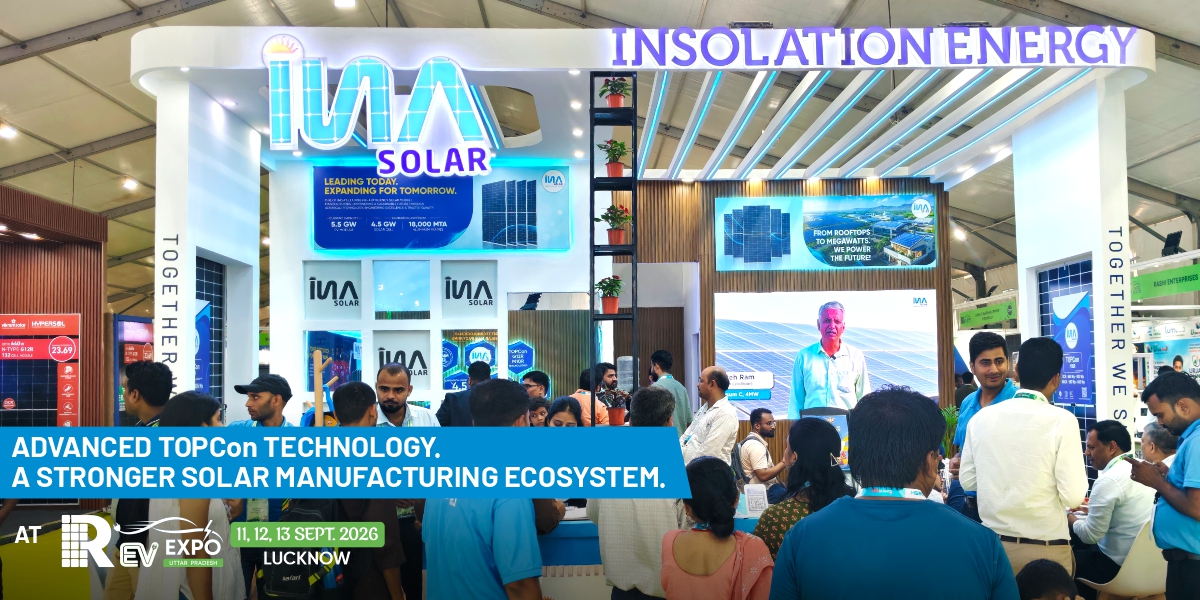
From G12R TOPCon Technology to a Growing Solar Manufacturing Ecosystem
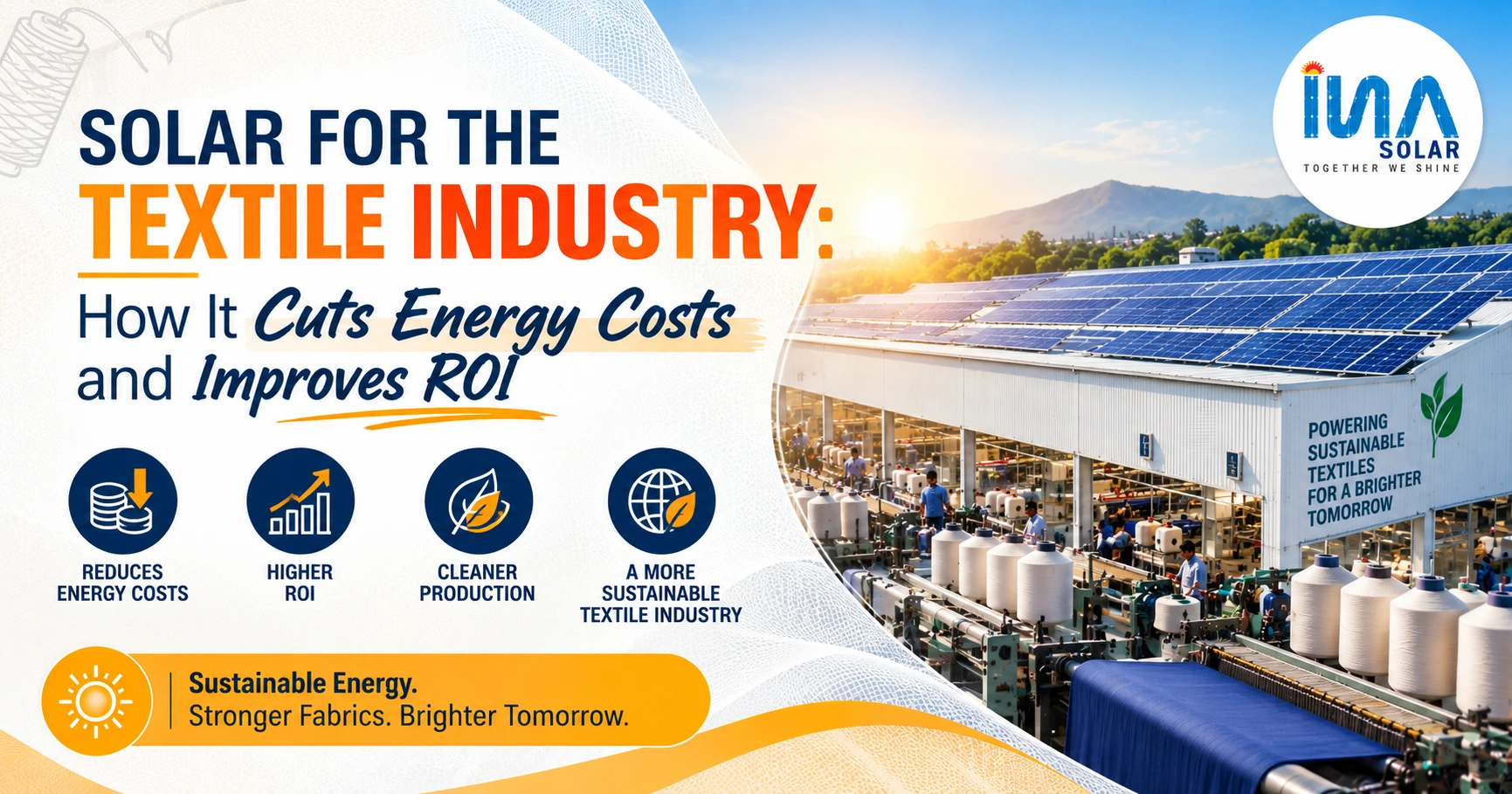
Solar for the Textile Industry: How It Cuts Energy Costs and Improves ROI


For Sales Enquiries

Email Address


