Sales Enquiries
+91 7240 444 666Sales Enquiries
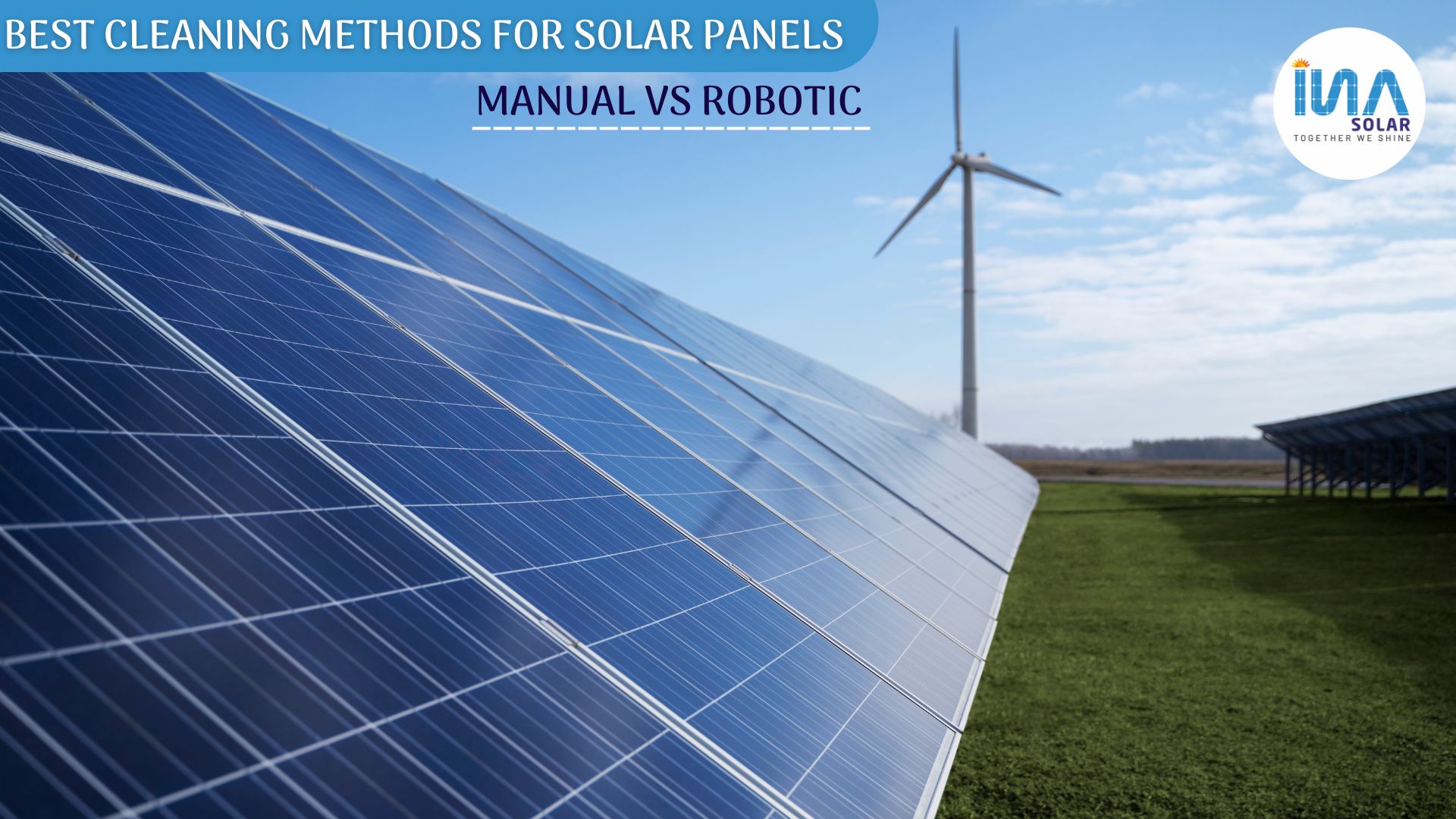
+91 7240 444 666Dust settling on a solar panel steals power in ways most people don't realize. The tiny layer may seem minor, but it can obscure sunlight while reducing daily energy production. Patches of uneven dust build-up give some cells less light, creating hot areas that feel like small feverish points under the glass. Have you touched a dusty panel on a hot afternoon? Some locations feel warmer than others. This situation strains the system. Constant tension from months of dirt can exacerbate long-term damage, weakening materials and limiting lifespan. Cleaning the panels seems like freshening them up. And, this advice comes from almost all the top PV panel manufacturers in India.
Solar plants demand deliberate cleaning systems. These systems protect delicate glass while restoring performance reliably. Engineers divide solutions into two majestic categories, shaping modern maintenance strategies across landscapes and rooftops.
● Skilled workers
● Delicate brushes
● Microfiber towels, and
● Gentle water. They cautiously climb roofs and scrape panels to restore transparency in the sun. Manual methods thrive on compact residential rooftops where flexibility outweighs technological complexity and high costs.
Robotic cleaning unleashes intelligent machines gliding smoothly across vast utility-scale solar fields at dawn daily. These automated guardians sense dust levels, adjust pressure, and minimize water consumption strategically for sustainability. Robots dominate sprawling deserts where human access proves dangerous, slow, and inefficient during heat waves.
Scale, terrain, climate, and budgets determine plant maintenance options; both methods work. They protect brightness, energy yield, asset longevity, and community renewable power delivery. India’s leading solar PV module manufacturers in India guide their customers well about the cleaning aspects when installing solar power systems.
Manual cleaning reflects practicality, beginning with remarkably lower initial investment for operators everywhere. Small rooftop owners appreciate affordability, avoiding expensive machinery while protecting precious energy assets. Technicians arrive with simple tools, soft brushes, and controlled water streams that gently cleanse panels. Crews adapt instantly to roof layouts, navigating edges, angles, and structural constraints with confidence. Maintenance teams rely on human judgment rather than fragile sensors, algorithms, or digital control systems.
No technological dependency means no software failures, downtime, or costly maintenance. Real-time observation of dirt, weather, and surface sensitivity informs worker approaches. Flexible scheduling lets you clean whenever you want. Manual cleaning thus provides reliable rooftop maintenance with simplicity, reliability, and human workmanship.
● Labour expenses rise steadily with repeated cleanings
● Workers face serious rooftop fall hazards
● Cleaning results vary across different teams
● Excessive water use increases operational costs
● Manual methods struggle with vast installations
● Hard to access remote solar farm locations
● Weather conditions often delay cleaning schedules
● Fatigue reduces worker efficiency over time
● Uneven pressure may scratch panel surfaces
● Incorrect tools risk permanent module damage
● Slow process lowers overall maintenance productivity
● Large-scale plants need faster solutions urgently.
While staying perfectly balanced, precise sensors in this form of cleaning find barriers, tilt angles, and the edges of structures. Robots move easily across glass surfaces because they have motorized tracks that don't put any pressure on the glass. Some systems do dry cleaning by using spinning microfiber brushes to gently sweep away dust. Others use controlled sprays of water that get rid of dirt while saving every drop.
Hybrid robots switch modes depending on soil type, humidity, and temperature conditions. In massive desert solar farms, machines operate day and night autonomously. They navigate kilometers of panels with military-like discipline and precision. Central software monitors performance, schedules cycles, and flags maintenance needs instantly.
● Delivers uniform, repeatable cleaning results
● Eliminates major human safety risks
● Cuts long-term maintenance expenses significantly
● Uses little to no water
● Ideal for massive solar farms
● Works efficiently in desert regions
● Operates day and night automatically
● Maintains steady panel performance levels
● Reduces labour dependency drastically
● Handles large areas quickly
● Prevents uneven dust build-up effectively
● Ensures a predictable energy output consistently.
Robotic systems need a lot of money up front, which makes cautious buyers nervous right away. Such systems need to be oiled, calibrated, and have parts replaced on a regular basis. The sun, sand, and vibrations wear down motors, sensors, and tracks that aren't very strong. Robots are too big, inconvenient, and expensive for small rooftop owners with limited panel room. Technically skilled people are still needed to quickly fix problems with software and hardware.
Dependence on technical help leads to delays, service contracts, and operational costs that were not planned for. Cleaning processes can end quickly if the power goes out, the network fails, or the hardware breaks. In the end, these risks cast a shadow over automation, even though it looks like the way of the future across solar fields.
For rooftop households across India, manual cleaning remains the most practical, affordable, and reliable maintenance choice in daily operations. Homeowners deploy gentle brushes, measured water, and patient hands during calm early-morning cleaning sessions each month. This steady rhythm preserves panel clarity, controls expenses, and keeps household routines simple and stress-free.
Contrastingly, vast desert-based utility-scale solar plants embrace robotic cleaning with disciplined automation and surgical technological precision. Sleek machines glide autonomously across endless glittering arrays, protecting workers from blistering heat and punishing winds. Robots stabilize performance ratio, ensure consistent generation, and deliver stronger long-term returns, making automation the clear champion for large solar farms nationwide.
● Clean during cool hours
● Avoid direct sunlight exposure
● Never use harsh chemicals
● Use only soft brushes
● Prefer microfiber cleaning tools
● Rinse gently with water
● Avoid high-pressure jets
● Do not scrub aggressively
● Prevent glass surface scratches
● Inspect panels after cleaning
● Check for visible microcracks
● Schedule routine maintenance checks.
Manual and robotic cleaning both shine with distinct strengths and unavoidable limitations for operators. Smart operators weigh advantages carefully before selecting methods for their solar assets and energy goals. The scale powerfully shapes decisions across tiny rooftops and sprawling desert megaprojects under blazing Indian skies. Budget constraints steer households towards manual washing that feels simple, safe, and affordable each month. Utility plants deploy intelligent robots that glide relentlessly over kilometers of gleaming panels at dawn. Location matters deeply where dust storms, smog, and heat attack fragile photovoltaic surfaces every season. Consistent cleaning restores brilliance, revives electron flow, and stabilizes performance ratio across entire installations.
From G12R TOPCon Technology to a Growing Solar Manufacturing Ecosystem


Solar for the Textile Industry: How It Cuts Energy Costs and Improves ROI
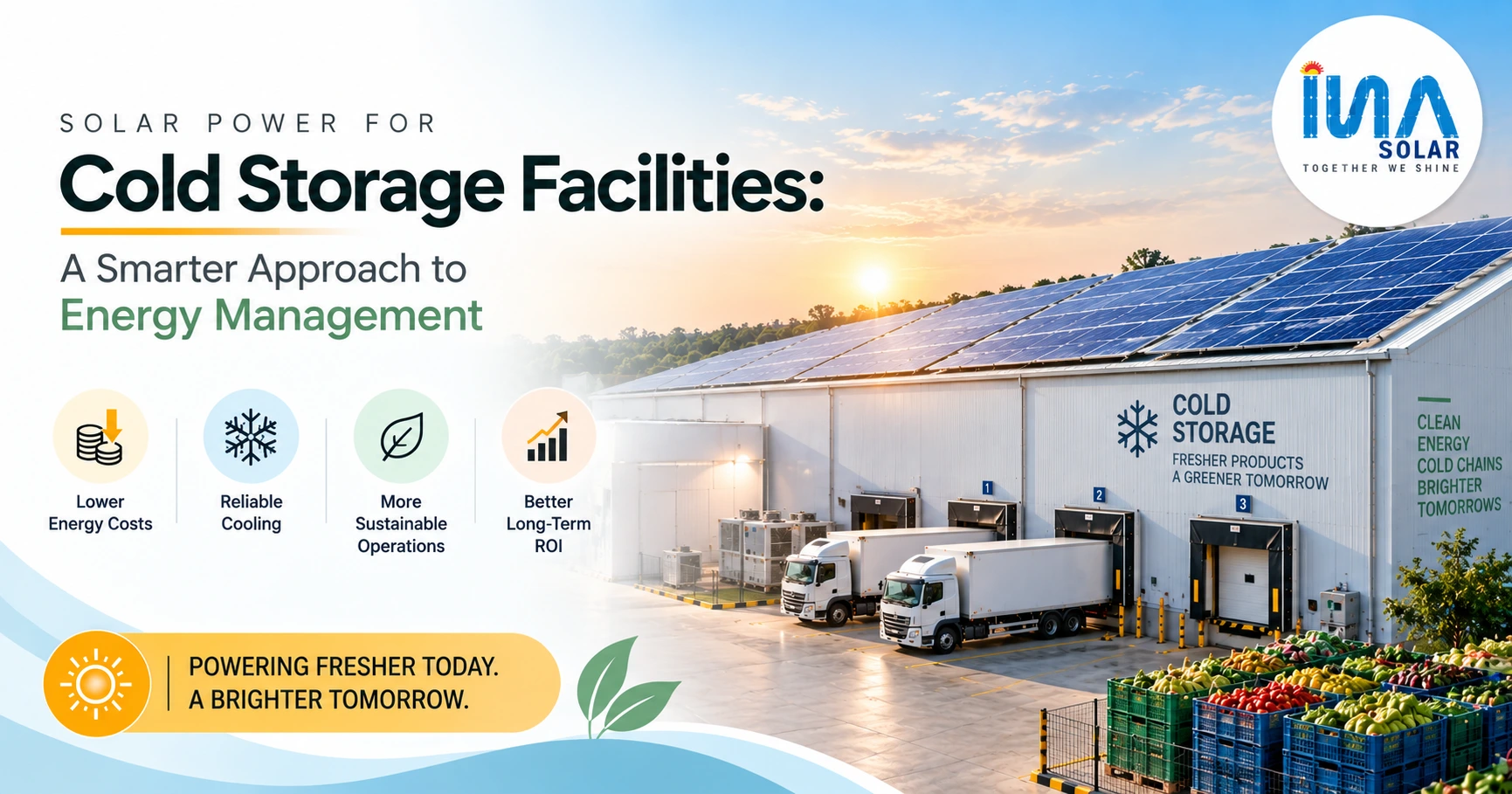
Solar Power for Cold Storage Facilities: A Smarter Approach to Energy Management


For Sales Enquiries

Email Address