Sales Enquiries
+91 7240 444 666Sales Enquiries
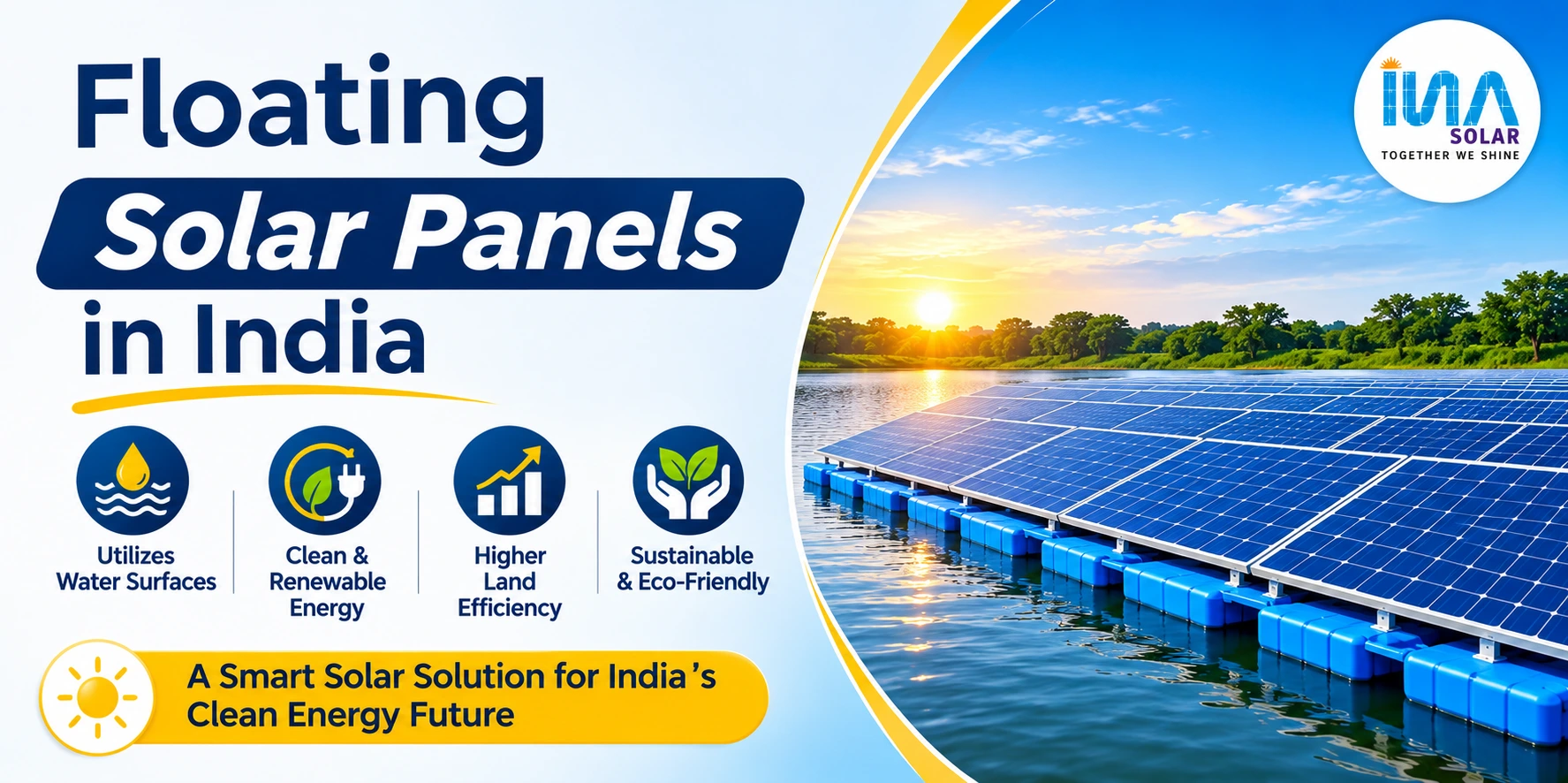
+91 7240 444 666India's renewable energy transition is opening new opportunities for solar power beyond rooftops and traditional solar farms. With land becoming increasingly scarce, floating solar panels offer a practical way to generate clean electricity using existing reservoirs and inland water bodies.
According to the National Institute of Solar Energy (NISE), India has an estimated floating solar potential of 102.18 GWp, making reservoirs an important opportunity for the country's renewable energy expansion.
The government's INR 5,070 crore Pradhan Mantri Surya Sarovar Yojana further strengthens this opportunity by targeting 5,000 MW of floating solar capacity with integrated energy storage.
For domestic solar PV module manufacturers, including Insolation Energy Limited under its INA Solar brand, this emerging market creates opportunities to contribute through advanced TOPCon and Mono PERC technologies.
Floating solar panels are photovoltaic modules installed on specially designed floating platforms on lakes, reservoirs and other suitable water bodies. These systems generate electricity without occupying large areas of agricultural or developable land.
Their working principle is similar to conventional solar panels. Sunlight strikes the silicon solar cells, releasing electrons through the photovoltaic effect and generating direct current (DC) electricity. Inverters then convert this electricity into alternating current (AC) for grid supply or local consumption.
The floating platforms are secured using anchoring and mooring systems that accommodate changing water levels, wind and movement. This allows the installation to remain stable while adapting to reservoir conditions.
|
Component |
Function |
|
Solar PV modules |
Convert sunlight into electricity |
|
Floating platforms |
Support and position solar panels |
|
Anchoring and mooring |
Maintain stability and accommodate water-level changes |
|
Inverters |
Convert DC electricity into AC |
|
Cables and connectors |
Transfer generated electricity |
|
Monitoring systems |
Track performance and operating conditions |
India faces increasing competition for land from agriculture, infrastructure and urban development. Floating solar addresses this challenge by using suitable water surfaces instead of requiring additional land acquisition.
Reservoirs also offer several practical advantages:
NISE's 2026 assessment estimates India's floating solar potential at 102.18 GWp under a maximum 20% water-surface utilisation scenario.
|
State |
Estimated potential |
|
Maharashtra |
16.28 GWp |
|
Madhya Pradesh |
14.89 GWp |
|
Karnataka |
13.69 GWp |
|
Odisha |
12.81 GWp |
|
Telangana |
10.72 GWp |
Source: NISE, Solar PV Potential of India – Floating Solar Assessment, 2026. Figures reflect the maximum 20% water-surface utilisation scenario.
Floating solar complements rooftop and ground-mounted installations by expanding solar generation without increasing pressure on available land.
Its integration with hydropower and battery energy storage systems (BESS) can also improve electricity supply. Solar generation is generally highest during daylight hours, while stored energy and hydropower can help meet demand when solar generation declines.
Recognising this opportunity, the Union Cabinet approved the Pradhan Mantri Surya Sarovar Yojana (PM-SSY) on 31 July 2026.
|
Parameter |
Government announcement |
|
Government scheme |
Pradhan Mantri Surya Sarovar Yojana |
|
Total outlay |
INR 5,070 crore |
|
Floating solar target |
5,000 MW |
|
Energy storage target |
10,000 MWh |
|
Minimum storage duration |
2 hours |
|
Project sanction period |
FY 2026–27 to FY 2030–31 |
Source: Ministry of New and Renewable Energy, Government of India.
The initiative will encourage floating solar development alongside energy storage. However, projects must also consider irrigation, drinking water requirements, aquatic biodiversity, reservoir water quality and fishing activities before installation.
Choosing the right solar PV module is particularly important for floating installations. Unlike conventional ground-mounted projects, floating systems experience continuous exposure to moisture, humidity and changing environmental conditions.
Developers must therefore evaluate module durability, electrical safety, power output, efficiency and long-term performance.
Bifacial solar panels offer another advantage by generating electricity from both their front and rear surfaces. However, additional rear-side generation depends on reflected sunlight and installation conditions.
High-efficiency TOPCon solar modules are also gaining importance because they offer improved cell performance and higher power output. G12R TOPCon technology provides another option for projects requiring higher-capacity modules and efficient utilisation of available installation space.
Insolation Energy Limited, an Indian solar manufacturing company headquartered in Jaipur, Rajasthan, offers solar PV modules through its INA Solar brand.
With a stated annual module manufacturing capacity of 5.5 GW, the company is among the Indian solar module manufacturers expanding their presence in advanced photovoltaic technologies.
Its portfolio includes the Platinum G12R TOPCon solar module, featuring N-type TOPCon bifacial glass-to-glass technology, alongside M10R TOPCon and Mono PERC modules.
The G12R solar panel range offers high power output, while bifacial configurations can support additional generation depending on installation conditions. These options allow project developers to evaluate suitable solar modules according to project capacity, site conditions and technical requirements.
As a solar PV module manufacturer in India, INA Solar's focus on advanced manufacturing technologies supports the growing demand for reliable, high-efficiency and Made in India solar panels.
However, floating project developers must assess module certifications, environmental suitability and system-level electrical protection rather than assuming that every conventional solar module is automatically suitable for floating installations.
Despite its potential, floating solar requires careful planning and specialised engineering.
Key challenges include:
Environmental assessments and responsible surface coverage are essential to ensure that renewable energy projects do not compromise existing reservoir activities.
India's estimated 102.18 GWp floating solar potential presents a significant opportunity to expand renewable energy generation while reducing competition for land.
Government support through the Pradhan Mantri Surya Sarovar Yojana, combined with battery storage and hydropower integration, could accelerate this development.
For domestic manufacturers such as Insolation Energy, this creates opportunities to contribute through advanced G12R TOPCon, Mono PERC and bifacial solar modules.
With its stated 5.5 GW manufacturing capacity and growing technology portfolio, INA Solar is positioned to participate in India's expanding solar manufacturing ecosystem.
Ultimately, floating solar's success will depend on suitable reservoir selection, dependable solar PV modules, responsible environmental planning and efficient energy storage. Together, these factors can help India unlock a valuable new dimension of its clean energy potential.
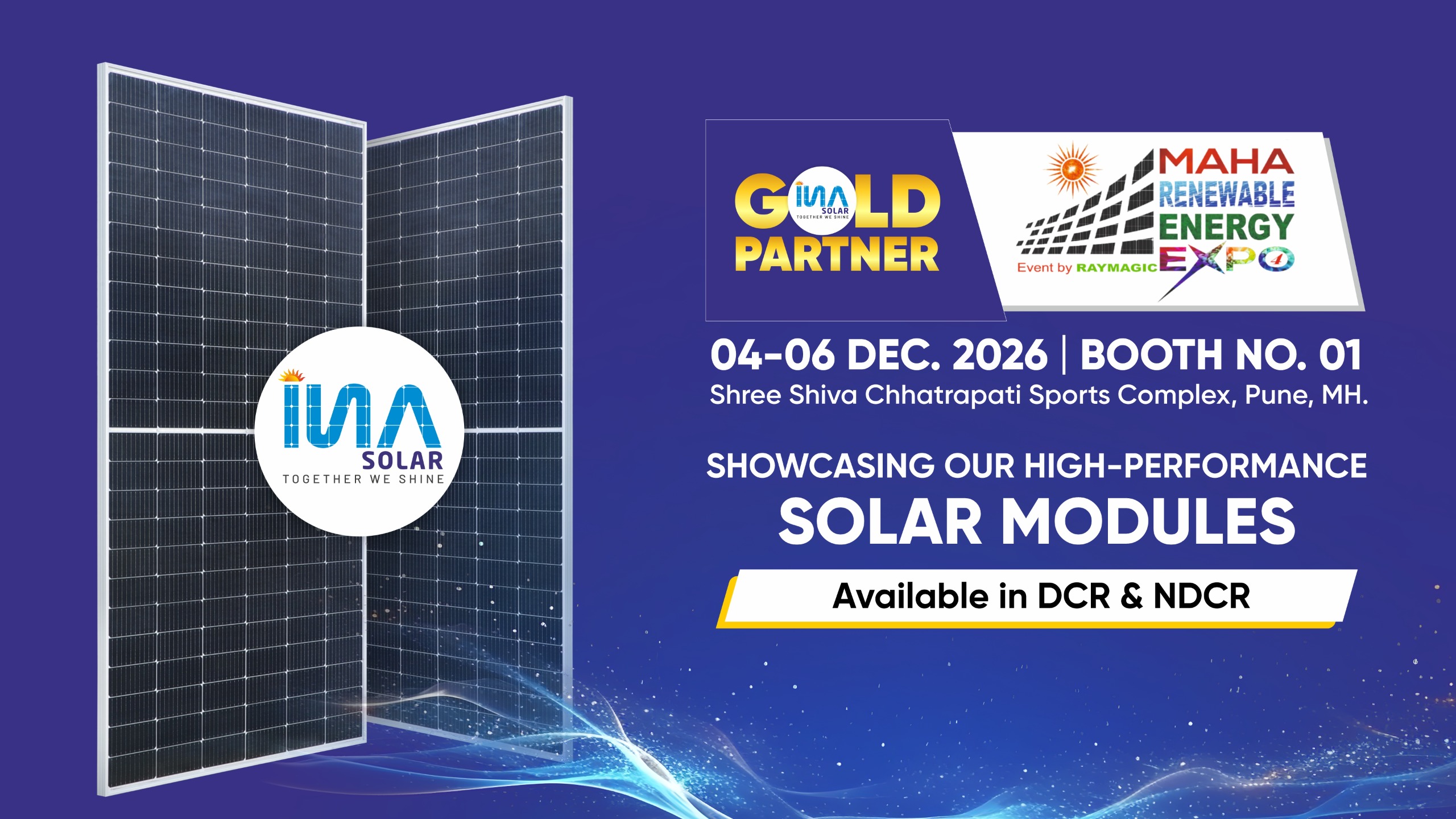
INA Solar to Showcase Its Advanced Range of Solar Modules at Maha Renewable Energy Expo 2026 in Pune

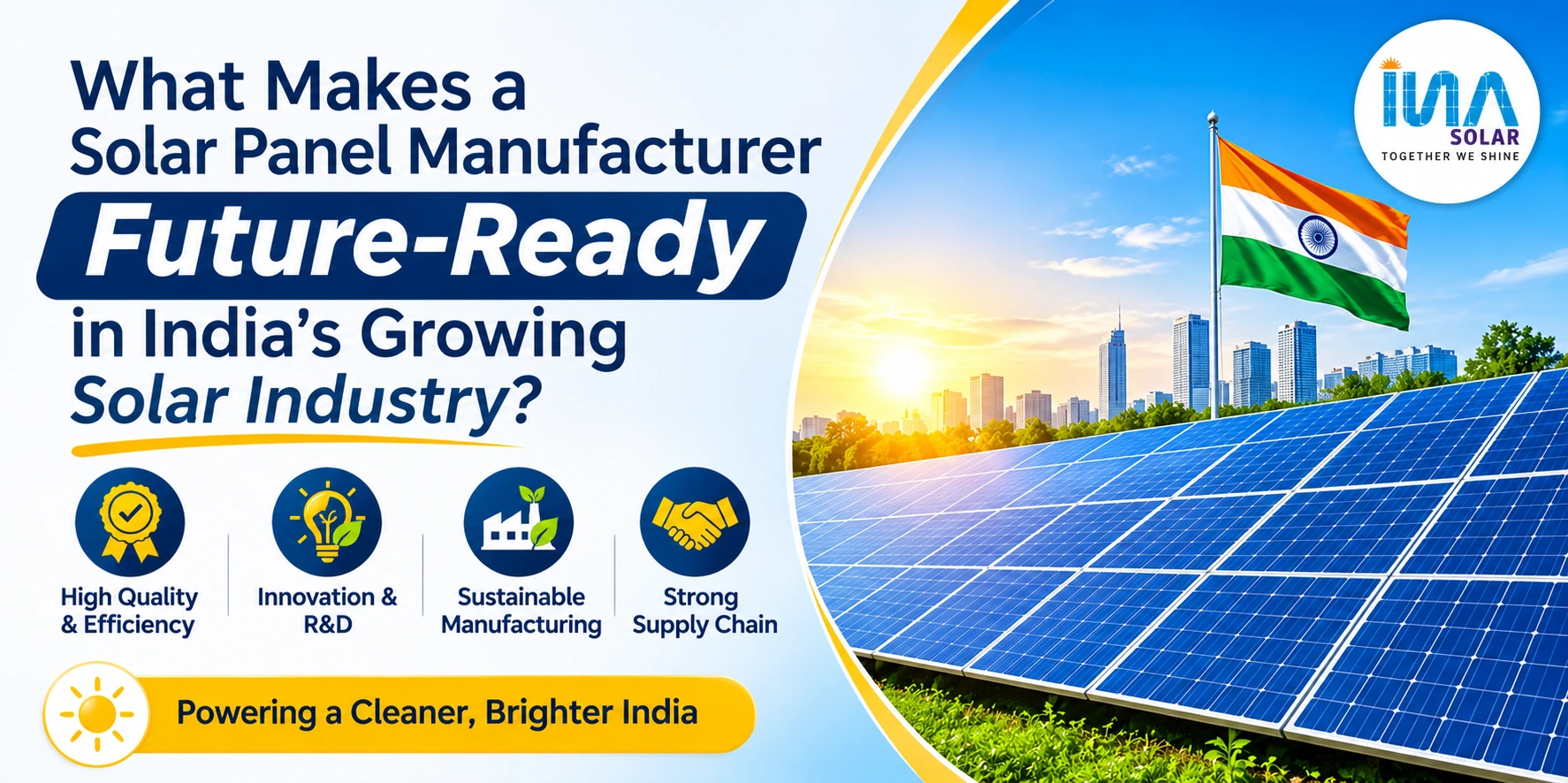
What Makes a Solar Panel Manufacturer Future-Ready in India's Growing Solar Industry?
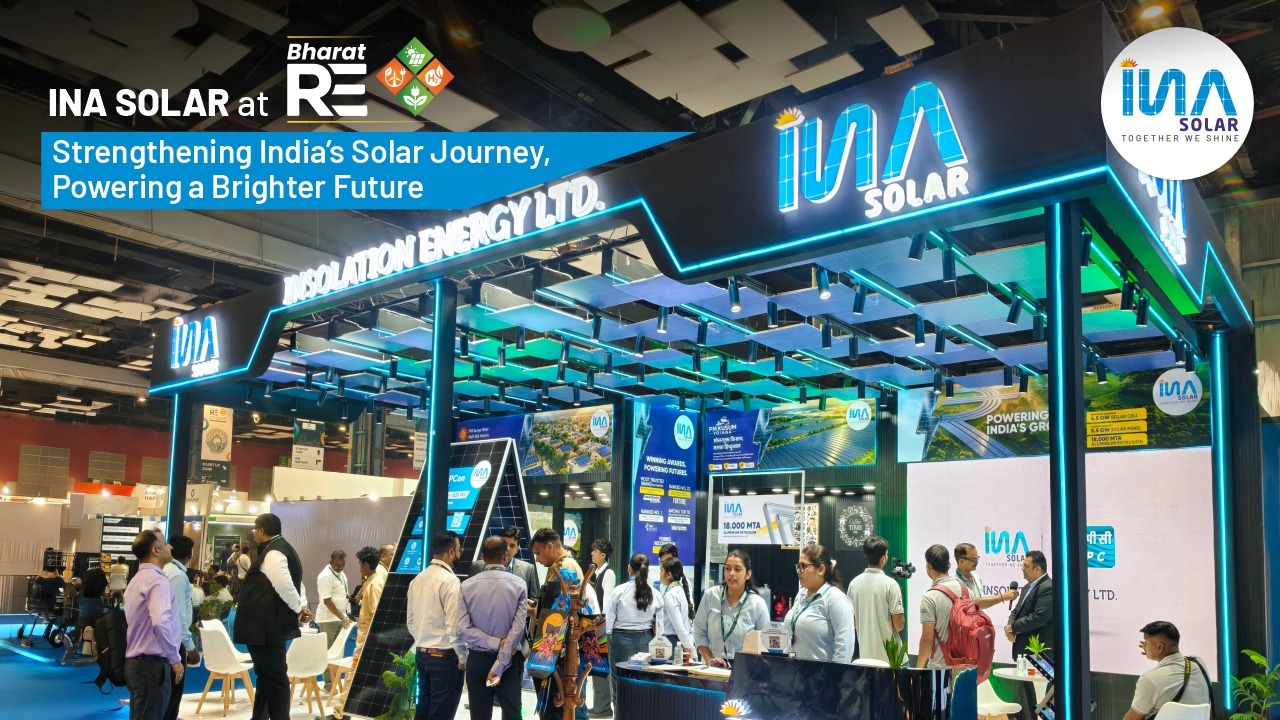
INA Solar at BRE 2026: Strengthening India's Solar Future


For Sales Enquiries

Email Address